2026 Best Three Phase Diesel Generator Buying Guide
Choosing a Three Phase Diesel Generator is a practical decision, not simply a search for the lowest price. A reliable unit must match your facility’s load, voltage, frequency, starting current, and operating environment. A workshop may need 150 kW, while a hospital, data center, or construction site may require several megawatts. The numbers matter.
This 2026 buying guide explains how to compare generator ratings, engine brands, alternators, control panels, fuel systems, and automatic transfer switches. It also examines standby, prime, and continuous-duty applications. Field experience shows that motor starting can briefly demand several times its running power. Ignoring that detail can cause nuisance shutdowns, voltage dips, or equipment damage. Small details matter.
A dependable purchase begins with a documented load assessment. Record actual demand during normal use and during peak operation. Check whether the site needs 400 V, 415 V, or 480 V. Frequency requirements may also differ between regions. Review emissions rules, noise limits, ventilation needs, and fuel storage requirements with qualified professionals. Manufacturer test data, certified components, service access, and warranty terms deserve careful attention. So does the installer’s response time.
No checklist is perfect. A neat spreadsheet can still miss harsh dust, high altitude, cold starts, or poor maintenance access. Consider those conditions before approving a quotation. Compare total ownership cost, not only the purchase price. Fuel consumption, filters, oil changes, load-bank testing, and replacement parts affect long-term value. The strongest choice balances verified performance, safe installation, local technical support, and realistic operating demands. That balance may look less impressive on paper, but it usually performs better when the power fails.
What Is a Three-Phase Diesel Generator?
2026 Best Three Phase Diesel Generator Buying Guide
What Is a Three-Phase Diesel Generator?
A three-phase diesel generator is an engine-driven system that produces electrical power through three alternating currents. It burns diesel fuel to rotate an alternator inside a magnetic field. Unlike a single-phase unit, it sends three voltage waves with different timing. That timing matters. Together, the waves provide steadier power for motors, pumps, compressors, workshops, and commercial buildings.
Picture three workers turning one heavy wheel in sequence. The movement stays smoother.
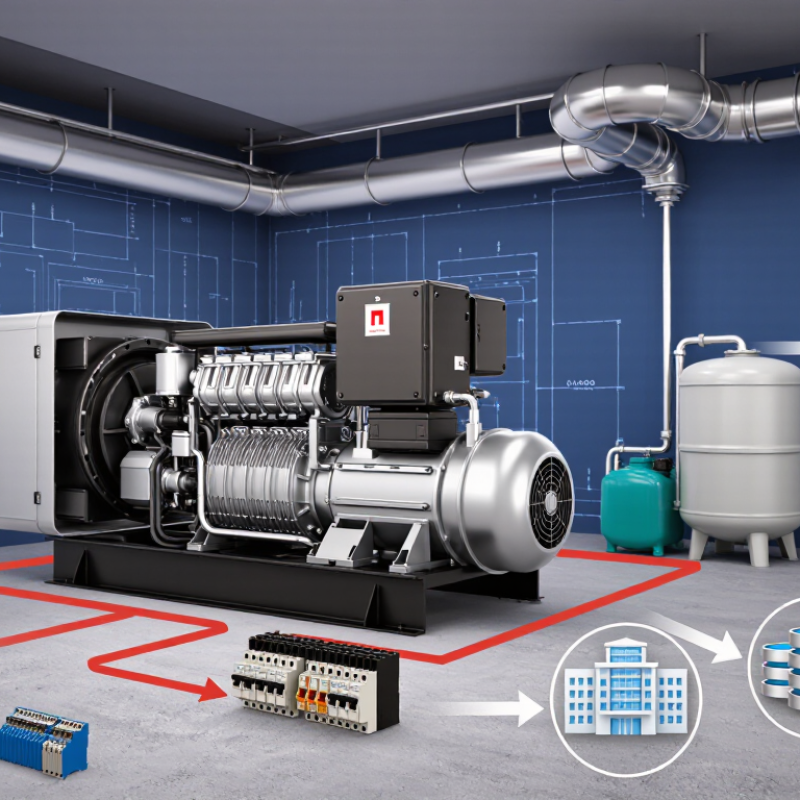
A typical system includes a diesel engine, alternator, fuel tank, controller, radiator, and exhaust system. The engine creates mechanical energy, while the alternator converts it into electricity. The controller monitors voltage, frequency, oil pressure, and coolant temperature. An automatic transfer switch can start the generator when the main supply fails.
During a site inspection, check cable condition, ventilation, fuel storage, and grounding. A blocked radiator can quickly cause overheating.
Three-phase output suits equipment with high starting currents and continuous workloads. It can also supply single-phase circuits, but the loads must be distributed carefully. An uneven load may create voltage imbalance and extra heat.
Sizing requires more than adding appliance wattages. Record motor starting current, running hours, altitude, and ambient temperature. Real installations are less tidy than spreadsheets. A qualified technician should confirm the load calculation, protection settings, and maintenance access before purchase.
How Three-Phase Diesel Generators Work
2026 Best Three Phase Diesel Generator Buying Guide
How Three-Phase Diesel Generators Work
A three-phase diesel generator converts fuel energy into electrical power through two linked machines. The diesel engine burns fuel inside its cylinders. Its crankshaft then turns the alternator rotor through a flexible coupling. Inside the alternator, a rotating magnetic field crosses three stationary windings. These windings produce alternating currents separated by 120 electrical degrees.
That spacing matters. Three-phase power delivers a steadier output than single-phase power. It also supports motors, pumps, compressors, and industrial heating equipment with less conductor material. A voltage regulator adjusts excitation when the load changes. The engine governor controls speed, helping maintain a stable frequency, usually 50 or 60 hertz. Small errors still appear during sudden load steps.
In practical inspections, I check phase voltage, frequency, oil pressure, coolant temperature, and exhaust color. Unequal phase loads can create excess heat in cables and windings. The generator may run, but inefficiently. A transfer switch can move circuits from utility power to generator power during an outage. However, its rating must match the generator and the installation design.
When comparing a unit, examine standby and prime ratings separately. Check fuel consumption at 25%, 50%, and full load. Sound levels, service access, battery capacity, and radiator clearance also affect daily use. A clean specification sheet is not enough. Real sites are dusty, cramped, and rarely balanced. Test the complete system under load, not only the engine at idle.
How to Choose the Right Generator for Your Needs
2026 Best Three Phase Diesel Generator Buying Guide
Choosing the right generator starts with the load, not the advertised output. List motors, pumps, heaters, lighting, and control systems separately. Record running watts and starting current. Large motors may demand three times their running power during startup. A generator sized only for average demand may stall when a pump starts. Leave a practical 20% capacity margin, but avoid excessive oversizing. Light loading can increase wet stacking, maintenance issues, and fuel waste.
Three-phase equipment also needs balanced phase loading. Uneven loads create heat and reduce usable capacity. Check voltage, frequency, phase sequence, and neutral requirements with a qualified electrician. ISO 8528-1 provides a useful framework for generator performance ratings. Choose standby, prime, or continuous power based on operating hours. The U.S. Energy Information Administration’s Electricity 2024 report expects global electricity demand to grow by an average 3.4% annually through 2026. That growth makes dependable backup planning more important for workshops, farms, and commercial facilities.
Fuel storage deserves equal attention. Estimate autonomy from actual load, not the nameplate rating. Add an automatic transfer switch and test it under realistic conditions. Uptime Institute’s 2024 Annual Outage Analysis reported that 54% of significant outages caused losses above $100,000. A cheaper generator can become expensive after one failed transfer. Recheck the assumptions. Weather, altitude, fuel age, and future equipment may change the answer. One overlooked detail can matter.
2026 Best Three Phase Diesel Generator Buying Guide - How to Choose the Right Generator for Your Needs
| Generator Class | Rated Output
(Prime Power) | Approx. Current
at 400 V, 0.8 PF | Typical Fuel Use
at 75% Load | Typical Tank Range
at 75% Load | Typical Application | Key Buying Consideration |
| Compact | 15–30 kW | 27–54 A | 3.0–6.0 L/h | 8–16 h | Small workshops, retail stores, offices and backup power | Check starting current for pumps, compressors and air-conditioning equipment. |
| Light Commercial | 40–75 kW | 72–135 A | 8.0–15.0 L/h | 8–18 h | Restaurants, farms, clinics and medium-sized commercial buildings | Allow sufficient capacity for motor starting and future load growth. |
| Commercial | 100–150 kW | 180–271 A | 20–30 L/h | 8–20 h | Factories, hotels, supermarkets and larger office buildings | Select an automatic transfer switch and verify the required standby or prime rating. |
| Industrial | 200–300 kW | 361–451 A | 40–60 L/h | 8–24 h | Production lines, warehouses, data rooms and construction sites | Review transient voltage response, harmonic performance and synchronization options. |
| Heavy Industrial | 350–500 kW | 631–902 A | 70–100 L/h | 8–24 h | Large manufacturing facilities, infrastructure and critical services | Confirm switchgear ratings, cable sizes, grounding design and fuel storage requirements. |
Essential Selection Checklist
- Size the generator from the calculated running load plus motor-starting and future-expansion requirements.
- Use prime power for variable or extended operation and standby power for emergency backup applications.
- Confirm voltage, frequency, phase sequence, power factor, altitude, ambient temperature and applicable electrical standards.
- For sensitive electronics, evaluate the alternator, automatic voltage regulator, voltage distortion and transient response.
- Fuel-consumption figures are typical planning ranges; actual values vary with engine efficiency, load factor, site conditions and maintenance.