Top 10 Additive Technology Innovations Transforming Industries Today?
Additive technology is reshaping industries at an unprecedented pace. According to a recent report by SmarTech Analysis, the global additive manufacturing market is projected to grow to $35 billion by 2025. This growth highlights the increasing reliance on additive technology across sectors such as aerospace, automotive, and healthcare. Experts agree that these innovations are not merely enhancements; they have become essential components of industry strategies.
Dr. Michael Petch, an authority in additive manufacturing, states, "Additive technology is not just a tool; it's a transformative approach to production." His insights underscore the potential of 3D printing to streamline processes and reduce material waste. Yet, challenges remain. The industry grapples with issues like material compatibility and cost-efficiency.
In addition, there is an evolving workforce that must adapt to these technologies. Education and training will be critical in nurturing skilled professionals. The need for a balanced approach is clear. While the benefits are significant, industry stakeholders must reflect on the sustainability of these practices.

Recent Advances in 3D Printing Techniques for Manufacturing Industries
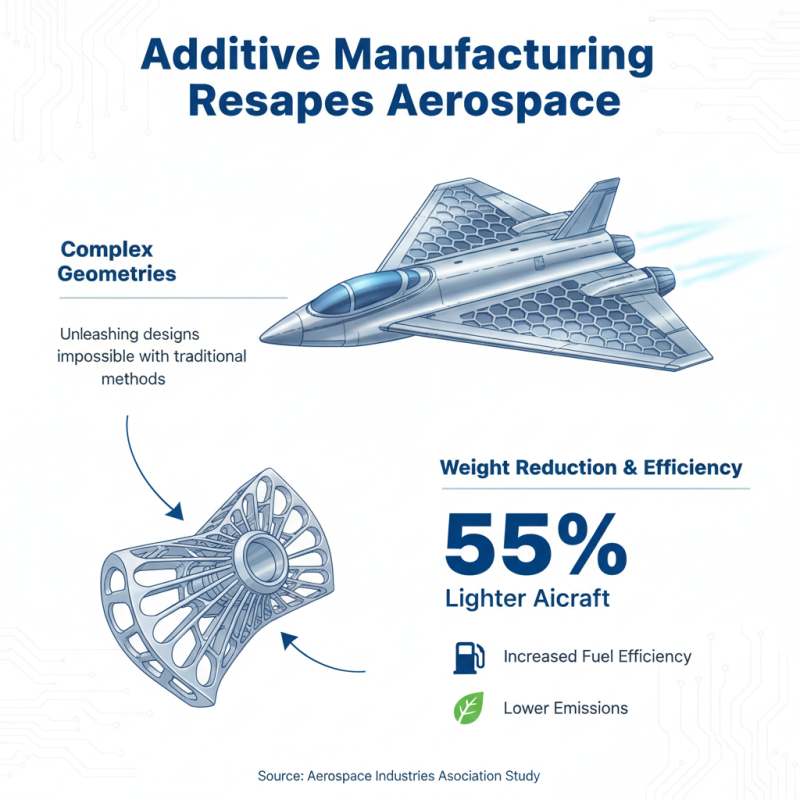
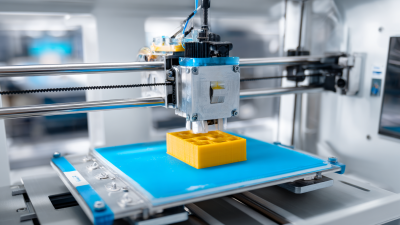
Recent advances in 3D printing techniques are reshaping manufacturing industries. These innovations are driving efficiency and customization. Many industries now adopt additive manufacturing to produce complex parts. This technology allows manufacturers to create lightweight, strong structures.
New methods like binder jetting and stereolithography enhance print speeds and material options. Companies are exploring bioprinting, which holds potential in healthcare. However, challenges remain in consistency and quality control. Achieving high precision is not always guaranteed.
Moreover, sustainable materials in 3D printing are gaining attention. These options reduce waste and lower carbon footprints. Yet, the industry must navigate the balance between cost and sustainability. Overall, while 3D printing innovations are promising, ongoing improvements are essential for widespread application.
Bioprinting Innovations Revolutionizing Healthcare and Tissue Engineering
Bioprinting is emerging as a game changer in healthcare. It allows for the production of complex tissues and organs with precision. According to a report by Market Research Future, the global bioprinting market is expected to reach $6.2 billion by 2027, growing at a rate of 24.4% from 2020 to 2027. This rapid growth highlights the increasing demand for advanced solutions in regenerative medicine.
Recent innovations in bioprinting technologies have made it possible to create functional vascularized tissues. This is crucial for successful tissue integration and nutrient supply. Researchers are now able to print living cells with biomaterials. These innovations could lead to breakthroughs in transplant surgeries and drug development. However, challenges remain. Ensuring cell viability and functionality after printing is still a critical area of research.
Ethical concerns also arise in this field. As bioprinting capabilities expand, so do questions about the implications of organ printing. Regulatory frameworks are still not well-defined. The need for transparency in bioprinting processes is evident. Addressing these issues is essential for the future credibility of bioprinting in healthcare. The path ahead is uncertain but filled with potential.
Sustainable Materials in Additive Manufacturing: Trends and Developments
Sustainable materials are reshaping additive manufacturing. As industries strive for eco-friendliness, companies are seeking alternatives to traditional materials. Biodegradable options are now gaining traction. These materials reduce waste and lower environmental impact.
Recent developments show improved performance of plant-based polymers. They offer strength comparable to conventional plastics. However, challenges remain. The availability of these materials can be inconsistent. Production processes need optimization, too. Adopting sustainable practices requires a shift in supply chain dynamics.
Recyclability is a key focus area. Innovations in recycling processes can help. Yet, the implementation of these technologies is not universal. Some manufacturers still prioritize cost over sustainability. The path to greener additive manufacturing is complex. It demands collaboration among industry players.
Top 10 Additive Technology Innovations Transforming Industries Today
This chart depicts the percentage adoption rate of various sustainable materials in additive manufacturing across different industries.
Impacts of Additive Technology on Supply Chain and Logistics Efficiency
Additive technology, particularly 3D printing, is reshaping supply chains and logistics. This innovation allows for on-demand production. Manufacturers can create parts as needed, reducing inventory costs. Traditional methods often result in excess stock. However, with additive technology, companies can respond swiftly to market demands. This agility can enhance customer satisfaction.
Despite its benefits, challenges exist. Quality control is not always consistent. Companies need to establish rigorous testing processes. Furthermore, initial setup costs for additive manufacturing can be high. Small businesses may struggle to adopt this innovation. Supply chain integration can also pose issues. Not all partners may be ready for this transformation.
Knowledge sharing plays a vital role. Companies must educate their workforce about new technologies. Collaboration between suppliers and manufacturers is crucial. Open communication fosters trust and innovation. As industries evolve, embracing these changes will be essential. Flexibility and adaptation will determine success in a competitive landscape.
Top 10 Additive Technology Innovations Transforming Industries Today
| Innovation |
Industry Impacted |
Supply Chain Efficiency Improvement (%) |
Key Benefits |
| 3D Printing |
Manufacturing |
30% |
Reduced lead times and waste |
| Metal Additive Manufacturing |
Aerospace |
25% |
Weight reduction and complex part designs |
| Bio-printing |
Healthcare |
20% |
Personalized medicine and tissue regeneration |
| Plastic Additive Manufacturing |
Consumer Goods |
15% |
Customization and reduced inventory |
| Composite Additive Manufacturing |
Automotive |
28% |
Durable parts with reduced weight |
| 3D Scanning and Model Reconstruction |
Construction |
22% |
Accurate project visualization and planning |
| Direct Energy Deposition |
Oil & Gas |
18% |
Repairs and modifications of parts on-site |
| Laser Sintering |
Electronics |
30% |
Precision and lightweight components |
| Multi-material 3D Printing |
Fashion |
20% |
Unique and bespoke product offerings |
| Sand Printing for Casting |
Foundry |
35% |
Faster prototype to production process |