Top 5 Best Additive Manufacturing Technology Trends Today?
Additive manufacturing technology is revolutionizing various industries. According to Dr. Emily Carter, a leading expert in the field, “The future of production lies in how we adapt to these innovations.” This statement highlights the accelerating trends shaping today’s additive manufacturing landscape.
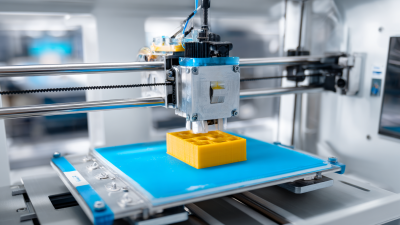
As technology evolves, advancements are reshaping traditional manufacturing processes. New materials, more efficient printers, and software advancements are taking center stage. Companies are now able to create complex designs that were once deemed impossible. These innovations increase efficiency and reduce waste, showcasing the potential of additive manufacturing technology.
However, challenges remain. Not all materials are suitable for 3D printing, which limits applications. Moreover, inconsistent quality and regulatory hurdles can complicate adoption. Industry leaders must address these issues while embracing change. Continuous improvement and adaptation are essential for maximizing the benefits of additive manufacturing technology.
Emergence of Metal 3D Printing Technologies in Manufacturing
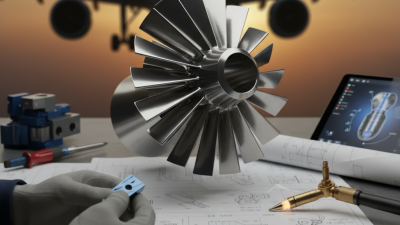
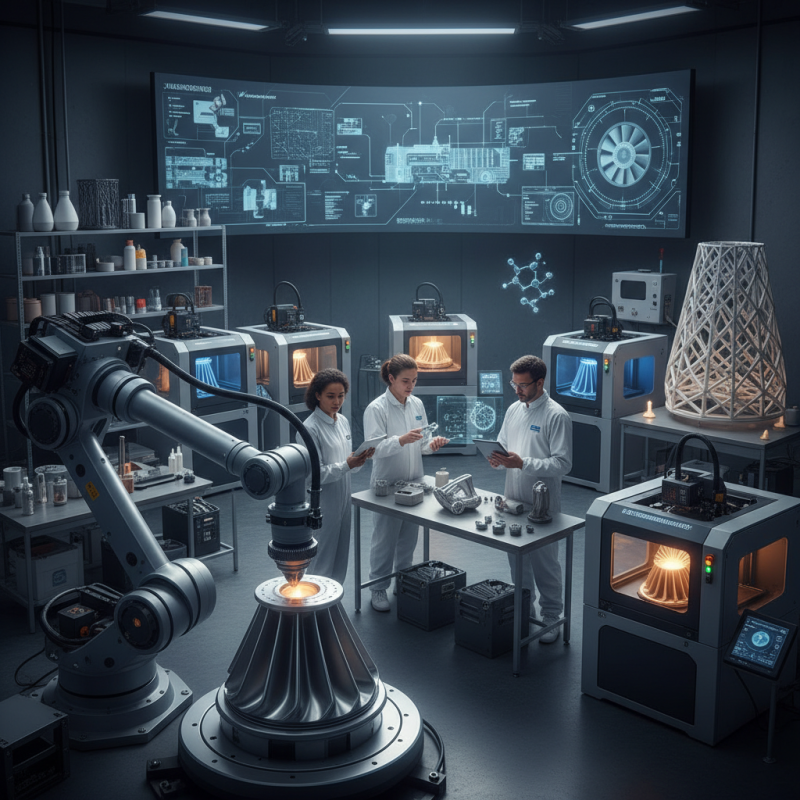
The emergence of metal 3D printing technologies is transforming the manufacturing landscape. Recent studies show the global metal 3D printing market is projected to reach $6.3 billion by 2027, growing at a CAGR of 27.5%. This growth reflects increasing adoption in industries like aerospace, automotive, and medical sectors. Companies are recognizing the speed and efficiency of producing complex parts that traditional methods struggle with.
Metal 3D printing allows for a level of customization and design freedom that can lead to significant cost savings. For instance, using this technology can reduce material waste by up to 90%. However, challenges remain. The printing process is sensitive and requires precise control over parameters. Inconsistent results can lead to defects, risking product reliability. As manufacturers push for increased production rates, they must also contend with quality assurance.
The integration of metal 3D printing is not without its hurdles. Costs of equipment and materials can be high. Furthermore, expertise in metal additive manufacturing is still developing, resulting in a skills gap. Addressing these issues is crucial for the technology to fulfill its vast potential. Companies need to invest in training and quality control processes. The journey toward adopting metal 3D printing fully is intricate but promises to reshape future manufacturing norms.
Advancements in Bioprinting for Healthcare Applications
Bioprinting is revolutionizing healthcare. This technology creates living
tissues for medical applications. The precision
of bioprinting allows for custom-made organs and tissues. Researchers are exploring its potential for
regenerative medicine. This could lead to personalized treatment plans for patients.
Imagine having a heart or liver constructed from your cells. It could reduce organ transplant wait times significantly.
Adoption of bioprinting poses challenges. The technology is still developing, and ethical concerns exist.
Scientists must navigate complex regulations surrounding live tissues. Moreover, the ability to replicate intricate
structures remains a hurdle. Observe practices and advancements mindfully. Continuous learning is vital in this
evolving field.
Tips: Collaborate with experts in bioprinting to enhance your understanding. Stay updated on the
latest research findings and breakthroughs.
Consider the ethical implications while exploring new technologies in healthcare.
Integration of AI and Machine Learning in Additive Manufacturing
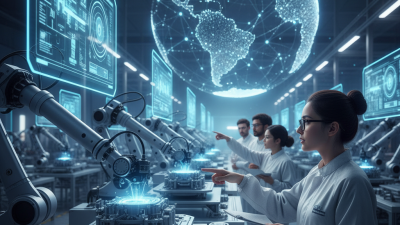
Artificial intelligence and machine learning are reshaping additive manufacturing. These advanced technologies improve efficiency and precision. They analyze data from production processes in real time. This analysis helps in identifying patterns and predicting potential issues. Manufacturers can optimize designs before printing begins, reducing waste and saving time.
As AI systems learn from previous prints, they enhance the quality of new projects. For instance, smart algorithms can suggest design alterations for better structural integrity. However, relying too heavily on these technologies raises questions. What if AI systems make a flawed recommendation? Continuous human oversight remains crucial in this evolving landscape.
Moreover, the integration of AI and machine learning can sometimes be challenging. Transitioning traditional manufacturing processes to these advanced systems requires training and adjustment. Ensuring team members fully understand these technologies is essential. Mistakes in this transition could lead to setbacks in productivity. Exploring these pitfalls is just as important as celebrating successes. Embracing AI in additive manufacturing is a journey filled with possibilities and learning opportunities.
Top 5 Best Additive Manufacturing Technology Trends Today
Sustainability Trends in Additive Manufacturing Processes
Sustainability is at the forefront of additive manufacturing today. As industries evolve, there's a growing focus on eco-friendly processes. One clear trend is the use of recycled materials. Companies are exploring how to take plastics and metals from waste and incorporate them into new products. This approach reduces the demand for virgin materials and lowers overall waste.
Another significant trend is energy-efficient manufacturing. Additive processes can minimize energy consumption through optimized designs. For instance, lattice structures often use less material while retaining strength. However, the challenge remains in developing methods that balance sustainability with product performance.
Companies are also exploring biodegradable materials. Although this innovation is promising, there are hurdles to overcome. For example, the strength and durability of biodegradable filaments can vary. It raises questions about their long-term efficacy in demanding applications. This is an area that requires continuous research and reflection.
Growth of Multi-Material and Composite Printing Techniques
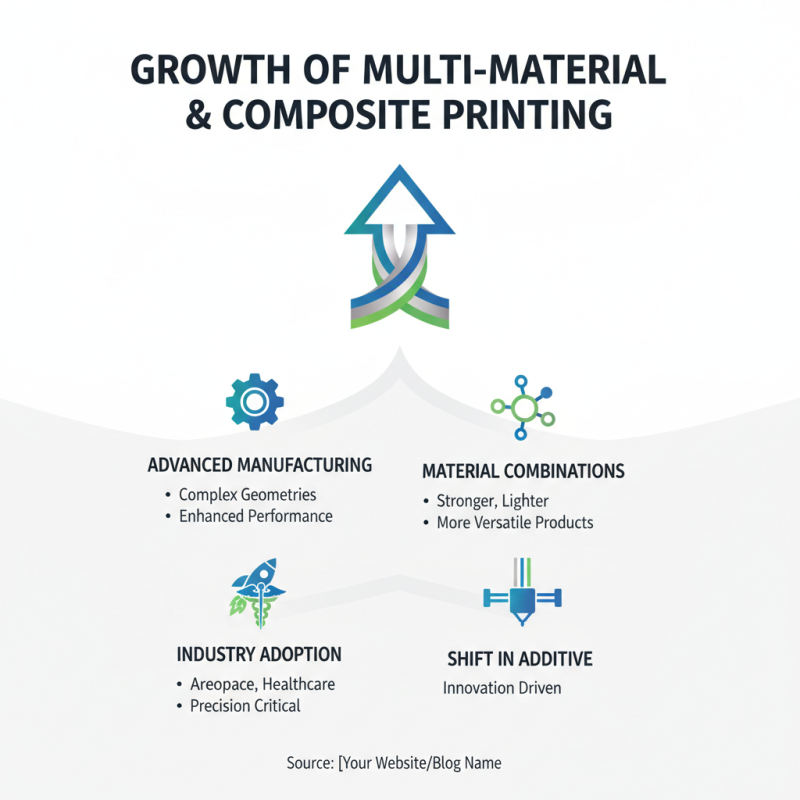
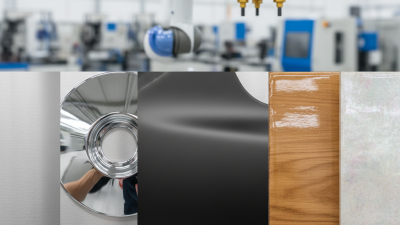
The growth of multi-material and composite printing techniques marks a significant shift in additive manufacturing. These advanced methods allow for complex geometries and enhanced performance. Combining different materials can yield stronger, lighter, and more versatile products. This innovation attracts industries like aerospace and healthcare, where precision is critical.
Recent trends reveal that manufacturers are exploring hybrid printing technologies. These combine additive and subtractive processes to create intricate designs. However, challenges remain. Achieving a uniform bond between materials can be tricky. Also, the technology requires skilled operators to manage intricate systems. Training and expertise are essential for successful implementation.
As the demand for personalized solutions grows, so does the potential for innovation. Multi-material printing ushers in opportunities for better sustainability in manufacturing. Yet, companies must address the environmental impact of these new materials. Careful consideration will determine if this technology can be both effective and eco-friendly.