What is the Best UWB Tool Positioning Terminal for Global Buyers?
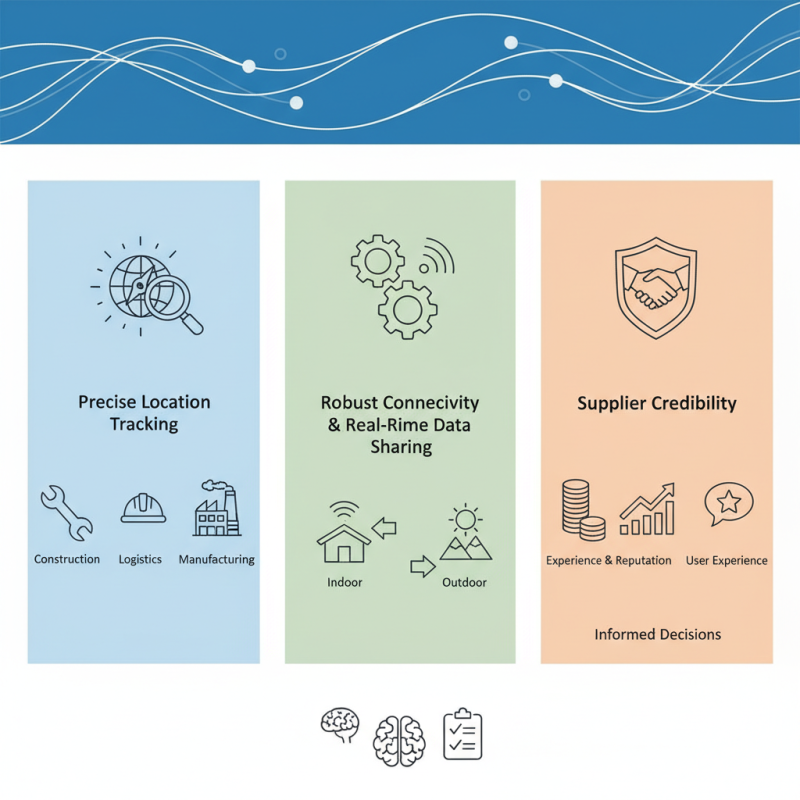
In today's rapidly evolving market, finding the best UWB Tool positioning terminal has become essential for global buyers. Ultra-wideband (UWB) technology offers unique benefits. It provides precise location tracking, robust connectivity, and real-time data sharing. These features are vital for industries such as construction, logistics, and manufacturing.
However, not all UWB tool positioning terminals are created equal. Buyers face a myriad of choices, each with distinct specifications and capabilities. Some terminals excel in indoor positioning, while others perform better outdoors. Understanding these differences is crucial for optimal decision-making.
Moreover, the credibility of the suppliers is a critical factor. Buyers should consider the manufacturer's experience and the reputation in the market. It is important to reflect on the varying user experiences with different products. Finding a reliable terminal demands thorough research and informed decisions. The pursuit of the best UWB tool positioning terminal is not just about technology; it’s about meeting specific operational needs effectively.
Overview of UWB Technology and Its Applications in Positioning
Ultra-Wideband (UWB) technology has gained momentum in various industries due to its precision in positioning. This technology operates within a frequency range of 3.1 to 10.6 GHz, allowing for accurate distance measurements. Reports suggest that UWB can achieve location accuracy within 10 to 30 centimeters, far superior to conventional technologies like Wi-Fi or GPS. An analysis by ResearchAndMarkets indicates that UWB technology is projected to reach a market value of approximately $5.4 billion by 2026, highlighting its growing importance.
UWB's applications are diverse. In healthcare, it enables accurate patient tracking, ensuring timely interventions. In logistics, it streamlines inventory management by providing real-time location data for assets. Real estate benefits too, with UWB assisting in smart home systems, improving security and efficiency. An important aspect to consider is the need for proper integration with existing systems. This can be challenging but necessary for maximizing benefits.
Tips: Ensure that UWB devices are compatible with your infrastructure. Conduct thorough testing before full deployment. Be mindful of potential privacy concerns, as precise location data can raise ethical questions.
Key Features to Consider When Choosing a UWB Tool Positioning Terminal
When selecting a UWB tool positioning terminal, certain key features are essential. Precision is crucial. Look for terminals that offer high accuracy in positioning. Range is another factor. A good terminal should maintain accurate tracking over longer distances. Battery life can’t be overlooked either; longer usage between charges enhances productivity.
Consider user interface simplicity. A clear, intuitive interface improves usability for everyone. Connectivity options are also vital. Ensure the terminal can integrate with various systems seamlessly. Scalability should be considered. As your needs grow, the tool should adapt easily without requiring a complete overhaul.
Tips for selection: Test different models before committing. Gather feedback from other users. Understand the support and warranty services offered. This reflection can reveal what truly matters in real-world applications. Each feature needs assessment against your specific needs. Prioritize flexibility and adaptability in your choice, as these elements will influence long-term satisfaction.
Top UWB Tool Positioning Terminals for Global Buyers in 2023
In 2023, various Ultra-Wideband (UWB) tool positioning terminals have gained prominence among global buyers. These devices utilize advanced technology to offer precise localization in diverse environments. Buyers should consider factors like accuracy, range, and ease of integration when selecting the right terminal.
Tips: Always evaluate user reviews and technical specifications before making a purchase. Real-world performance can vary significantly.
The best terminals have user-friendly interfaces. They enable seamless data collection and integration into existing systems. Some models stand out for their versatility across industries, from logistics to healthcare. However, not all terminals are durable in extreme conditions, which could impact their reliability in specific applications.
Tips: Check for certifications and compliance with international standards. This ensures the device will function well in your intended use case.
Potential users might find that while many products boast high accuracy, real-world deployment can lead to challenges. Factors like physical obstructions and signal interference can affect performance. Always consider your unique environment when choosing a UWB positioning terminal.
Comparative Analysis of UWB Positioning Terminals: Pros and Cons
The demand for Ultra-Wideband (UWB) positioning terminals has surged in recent years. Industries like logistics, healthcare, and smart buildings benefit from precise tracking technology. A 2023 report from a leading market research firm shows that UWB adoption has increased by over 25% annually, reflecting its growing recognition.
When evaluating UWB positioning terminals, users should weigh their pros and cons carefully. On one hand, UWB provides centimeter-level accuracy, which is a significant advantage compared to traditional GPS systems. Studies suggest that UWB can diminish position errors to less than 10 centimeters. However, the complexity of integration remains a challenge. Some terminals require extensive initial setup. This can deter smaller businesses, leading to variable adoption rates across industries.
Battery life is another crucial factor. While many UWB devices offer energy-efficient operations, some models struggle to last a full day under consistent use. Additionally, UWB signals face interference from physical obstacles. This limits their functionality in certain environments. A deeper understanding of these factors is vital for buyers aiming to optimize their operations. Investing in the right technology requires both awareness of benefits and recognition of limitations.
Market Trends and Future Developments in UWB Positioning Technology
The UWB (Ultra-Wideband) positioning technology is evolving rapidly. Many industries increasingly rely on accurate location tracking and real-time data. This trend highlights the growing importance of precise positioning systems. UWB technology provides superior accuracy compared to other systems, often within a few centimeters. As this technology matures, buyers seek reliable tools that meet their unique needs.
Market trends indicate a shift towards integrated solutions. Companies are now looking for terminals that combine positioning with data analytics. This integration offers a comprehensive approach, allowing for better decision-making. However, finding the best UWB tools can be challenging. Many products promise high accuracy but vary significantly in performance. Users must examine specifications meticulously to ensure they choose solutions that deliver on their promises.
Looking ahead, the future of UWB technology is promising. Advancements are likely to enhance ease of use and reliability. As technology develops, there may be more focus on improving energy efficiency. Accessibility will also be key, as industries explore broader applications beyond traditional sectors. The evolving landscape requires continuous evaluation of the available tools. It is vital for buyers to stay informed about trends and innovations.