How to Choose the Best Cast Iron Stove for Your Home?
Choosing the right cast iron stove for your home can be daunting. Many options exist, and not all are suitable for everyone. Expert Brian Johnson, a veteran in the cast iron stove industry, once stated, "Finding the perfect cast iron stove is about understanding your space and your needs." This sentiment rings true for many homeowners.
When selecting a cast iron stove, consider your living area. Size matters, and a stove too large may overwhelm a small room. Conversely, a small stove may struggle to heat a larger space. Additionally, think about the stove's design and how it fits your home’s aesthetic.
Remember that price and quality often go hand-in-hand. While it's easy to choose based solely on cost, investing in a high-quality cast iron stove can yield significant returns over time. It’s essential to balance budget constraints with practical needs. Take time to reflect on these choices, as the right stove can significantly enhance your home’s comfort.
Understanding the Benefits of Cast Iron Stoves for Home Heating
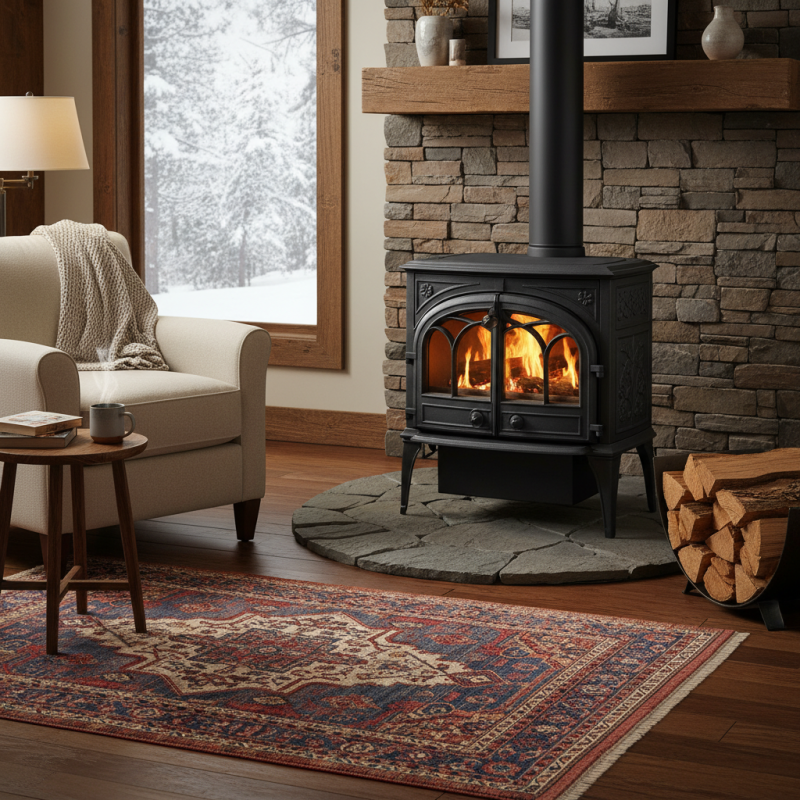
Cast iron stoves are a great choice for home heating. They provide consistent warmth, making your space cozy in winter. Their heavy construction helps retain heat for longer periods. This means even after the fire goes out, the stove continues to radiate warmth. Imagine coming home to a room that feels warm and inviting.
Another benefit is their efficiency. Cast iron stoves can burn various types of fuel. Wood, pellets, or even coal can be used. However, maintenance is key. Cleaning the stove regularly is necessary to ensure it works well. Ignoring it might lead to efficiency loss.
Furthermore, cast iron stoves add a touch of rustic charm. They can become a beautiful focal point in your living space. Some people find them heavy and cumbersome. Choosing the right size for your room is crucial. An oversized stove may overpower the space, while a small one may struggle to heat it adequately.
Key Considerations for Selecting the Right Size Cast Iron Stove
When choosing a cast iron stove, the right size is crucial. It impacts not just heating efficacy but also the aesthetics of your room. Large stoves can overwhelm smaller spaces, while small stoves may struggle to heat larger areas. Take time to measure your space accurately. Consider ceiling height and the layout of furniture. Sometimes, overlooked areas can affect stove placement.
Tips: Think about the stove’s intended use. Will it be the primary heat source or a supplementary one? A more compact model may work if it's just for ambiance. Also, check the stove’s BTU output. This figure will guide you on the right size. A high BTU stove in a small room can lead to overheating.
Ultimately, choosing the right size can feel daunting. Many people purchase stoves without fully understanding their heating needs. This can lead to dissatisfaction. Don’t rush the decision. Reflect on your space and your heating requirements. A stove that fits well will provide warmth and comfort for years to come.
How to Choose the Best Cast Iron Stove for Your Home?
This chart displays the average heating capacity (in BTUs) of different sized cast iron stoves, helping you determine the right size for your home based on square footage.
Evaluating the Different Styles and Designs of Cast Iron Stoves
When choosing a cast iron stove, the style and design can greatly influence your home’s ambiance. Traditional designs often feature ornate patterns and curved edges, adding a vintage charm to any room. These stoves can be a centerpiece, drawing visitors' attention. On the other hand, modern designs focus on sleek lines and minimalist aesthetics. They blend seamlessly into contemporary settings. Consider how the stove will fit with your existing décor.
Functionality is equally important. Some stoves boast intricate detailing but may sacrifice efficiency. Simpler designs could offer better heating performance. It’s wise to evaluate how much heat you need. Sometimes, a smaller unit might suffice for spacious areas. Additionally, if you live in a region where winters are harsh, investing in a larger model could be necessary.
Colors and finishes also play a role. Classic black is versatile, yet other hues can create a focal point. You might find yourself torn between various colors and materials. Take time to visualize how different options will integrate into your home. This process can be somewhat overwhelming, but it’s essential. Your cast iron stove should not only provide warmth but also enhance your living space.
Comparison of Fuel Types for Cast Iron Stoves: Wood, Pellet, and Gas
When selecting a cast iron stove, one key decision revolves around fuel type. Wood stoves offer a rustic charm. The crackling sound and aroma of burning wood create a cozy atmosphere. However, wood requires regular maintenance. You need a steady supply and storage space. Ash cleanup can be messy too.
Pellet stoves present a modern alternative. They burn compressed wood pellets and are more efficient. This type reduces emissions and offers easy temperature control. Yet, they often require electricity to operate. Pellets can be costly and dependent on availability. Thinking ahead is essential.
Gas stoves provide convenience. They ignite instantly and are easy to operate. There’s no need to store fuel, which saves space. On the downside, gas stoves may lack the charm of wood. They also require a gas line, which might limit installation options. Consider these factors carefully. Each fuel type has its pros and cons worth reflecting on.
How to Choose the Best Cast Iron Stove for Your Home?
| Fuel Type | Heat Output (BTUs/hr) | Efficiency (%) | Cost per BTU | Environmental Impact |
| Wood | 30,000 | 75% | $0.002 | Higher emissions, but renewable |
| Pellet | 40,000 | 85% | $0.003 | Lower emissions, utilizes waste materials |
| Gas | 25,000 | 90% | $0.004 | Clean burning, but fossil fuel |
Maintenance Tips for Longevity and Efficiency of Cast Iron Stoves
When it comes to cast iron stoves, proper maintenance is key. Regular cleaning is vital to prevent rust. Wipe the stove’s exterior with a soft cloth after each use. Use a brush for the stovetop, but be gentle. Avoid harsh chemicals; they can damage the finish. Instead, opt for mild soap and warm water.
Seasoning your cast iron stove helps preserve its longevity. Apply a thin layer of vegetable oil to the cooking surface. Heat it until it smokes slightly, then let it cool. This creates a protective layer. Be aware that neglecting this step can lead to food sticking and corrosion.
Check the gasket and seals regularly. If they're worn, they can reduce efficiency. Replacing them may feel tedious, yet it’s essential for optimal performance. Over time, stoves can develop uneven heating. Reflect on your cooking habits and adjust your stove's placement to improve heat distribution. Ignoring these aspects could lead to frustration while cooking.