Why Choose Titanium Alloy for Your Next Project?
When considering materials for your next project, titanium alloy stands out due to its unique properties. This metal is lightweight yet incredibly strong, making it suitable for a variety of applications. In aerospace, for instance, it significantly reduces weight while enhancing performance.
Moreover, titanium alloy exhibits excellent corrosion resistance. This characteristic is especially valuable in marine and chemical environments. Using titanium alloy can extend the lifespan of your products. However, it's essential to acknowledge some challenges in working with titanium. It can be more expensive than traditional metals.
Despite its higher cost, the benefits can offset these drawbacks. Investing in titanium alloy might lead to better long-term results. Reflecting on your project's goals can help decide if this material is the right fit. It may not be the simplest choice, but its advantages often outweigh the difficulties.
Understanding Titanium Alloys: Composition and Properties
Titanium alloys are widely recognized for their exceptional strength-to-weight ratio. They typically consist of titanium mixed with elements like aluminum and vanadium. This combination enhances their mechanical properties. For instance, the Grade 5 titanium alloy, which is 90% titanium, proves to be one of the most popular options in various industries. Its yield strength can reach up to 880 MPa, making it suitable for high-performance applications.
However, not all titanium alloys are created equal. Some variations perform better under specific conditions. For example, while Grade 5 is excellent for aerospace applications, other grades may struggle with corrosion resistance in seawater. The selection process can be complex. Engineers often weigh factors such as cost, availability, and specific properties required for a project. A study showed that 30% of projects face setbacks due to improper alloy selection.
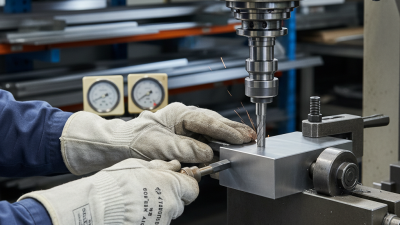
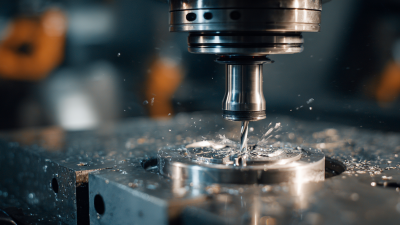
Moreover, the processing of titanium alloys presents challenges. Their high melting point and hardness make machining more difficult than other metals. Consequently, companies may need to invest in specialized tools and techniques. This can impact both timelines and budgets. Balancing performance requirements against these practical considerations is often a vital part of project planning. Understanding these nuances is crucial for successful implementation of titanium alloys in engineering projects.
Advantages of Using Titanium Alloys in Engineering Applications
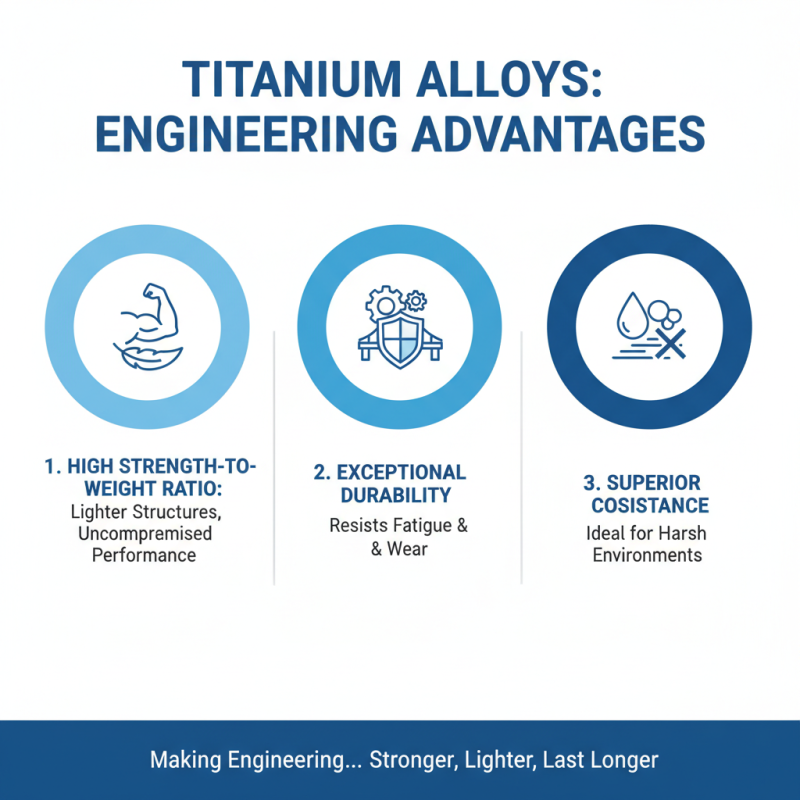
Titanium alloys offer remarkable advantages for various engineering applications. They are known for their high strength-to-weight ratio. This means structures can be lighter without sacrificing performance. The durability of titanium alloys is another significant benefit. They resist corrosion better than many other metals. This makes them ideal for harsh environments.
When selecting materials, consider the specific requirements of your project. Think about weight, strength, and environmental factors. Titanium alloys can be costlier upfront, but they often reduce maintenance costs over time. Their long lifespan is a critical factor in engineering decisions.
Tips for working with titanium alloys: Ensure proper machining techniques are used. Standard practices may not apply. Always check compatibility with other materials in your design. This will help avoid unexpected issues later. Remember, a small oversight can lead to major complications down the line. Planning thoroughly can save time and resources in the end.
Comparative Analysis: Titanium Alloys vs. Other Metal Types
Titanium alloys stand out when compared to other metals. Their strength-to-weight ratio is remarkable. For instance, titanium is about 45% lighter than steel yet just as strong. This property is invaluable in industries like aerospace, where weight savings translate into fuel efficiency. In a report by the International Titanium Association, it was noted that titanium alloys can reduce overall aircraft weight by 30%, leading to significant operational cost savings.
Corrosion resistance is another area where titanium excels. It outperforms aluminum and steel in harsh environments. Its ability to withstand sea water corrosion extends its lifecycle. According to data from ASTM International, titanium alloys maintain structural integrity in corrosive settings up to 10 times longer than certain stainless steels. However, the manufacturing process can still be challenging. Achieving optimal microstructures requires careful control. There’s always a risk of defects during processing, which can compromise the benefits.
In contrast, while aluminum is lighter, it does not match the toughness of titanium. Steel, while robust, is heavier and more prone to corrosion. Therefore, each material has its trade-offs. The decision isn't always straightforward. Design needs, budget constraints, and specific application requirements should guide the choice. Ultimately, the right balance between performance and cost must be found, which may lead to difficult choices.
Material Strength Comparison: Titanium Alloys vs Other Metals
Applications of Titanium Alloys in Various Industries
Titanium alloys have unique properties that make them desirable in many industries. They are lightweight yet incredibly strong. This combination is particularly useful in aerospace applications. Airplanes require materials that can withstand high stress but also reduce overall weight. By using titanium alloys, manufacturers can enhance performance and fuel efficiency.
In the medical field, titanium alloys are often used for implants. They are biocompatible, which means they work well with the human body. Patients benefit from improved healing times and reduced risks of rejection. However, the costs associated with titanium can be higher than other materials. This makes budgeting a crucial aspect of choosing titanium for medical devices.
In the automotive industry, titanium alloys are also gaining traction. They can withstand extreme temperatures, making them excellent choices for high-performance vehicles. However, fabrication is challenging. Working with titanium often requires specialized tools and expertise. This complexity can lead to increased production times and costs. Still, the potential benefits can outweigh these challenges in many cases.
Future Trends in Titanium Alloy Technologies and Innovations
The future of titanium alloy technologies is bright yet challenging. Innovations are emerging rapidly, with a projected increase in market demand. According to a recent report, the titanium alloy market is expected to grow at a compound annual growth rate (CAGR) of around 5% through the next five years. This growth hints at broadening applications in aerospace, automotive, and biomedical fields. Companies are investing in research to enhance the properties of titanium alloys, focusing on strength-to-weight ratios and corrosion resistance.
One notable trend is the development of additive manufacturing techniques. 3D printing with titanium alloys opens new avenues in design flexibility. This technology enables the creation of complex geometries that traditional methods can't achieve. However, producing high-quality printed parts remains a concern. The challenge lies in maintaining consistent material properties and preventing defects like porosity.
Sustainability also plays a crucial role in future innovations. Recycling titanium alloys for reuse is becoming more prevalent. A recent statistic states that nearly 50% of titanium can be recycled without losing its properties. This shift toward a circular economy is vital. It encourages responsible sourcing and minimizes waste. The road ahead is laden with potential, yet it requires persistent effort to address the hurdles in quality and sustainability.