How to Choose the Best PVC Tarpaulin for Your Needs?
When it comes to selecting the right PVC Tarpaulin, expert insights are invaluable. John Smith, a leading authority in the tarpaulin industry, states, “Choosing the right PVC Tarpaulin can make or break your project.” This statement underscores the importance of making informed decisions.
PVC Tarpaulins offer diverse applications, from construction sites to outdoor events. It is crucial to understand your specific needs. Consider factors like durability, waterproofing, and UV resistance. Each feature plays a role in the longevity of the material. Many users overlook these details, leading to premature wear and replacement.
While the variety of options is extensive, don’t rush your choice. Each application may require a different type of PVC Tarpaulin. Mistakes can be costly and time-consuming. Take the time to evaluate your options carefully. The right PVC Tarpaulin will not only serve your immediate requirements but also provide lasting value over time.
Understanding PVC Tarpaulin and Its Applications
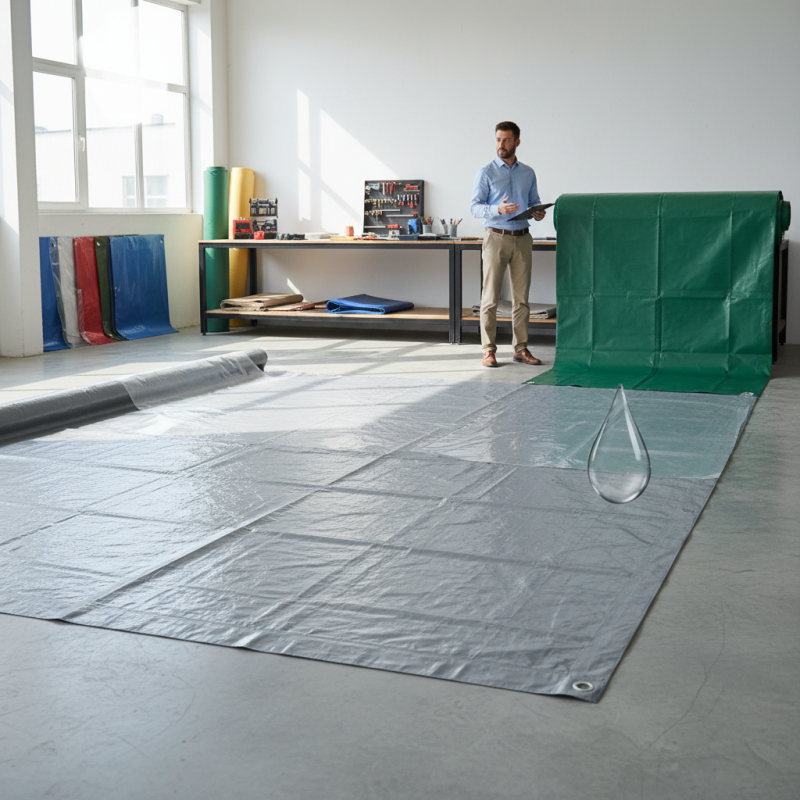
PVC tarpaulin is a versatile material with a wide range of applications. It is made from polyvinyl chloride, which makes it durable and waterproof. People often use it in construction sites, for truck covers, and even as outdoor banners. Its strength can handle rough weather, making it suitable for temporary shelters. However, not all PVC tarpaulins are created equal.
When selecting a PVC tarpaulin, consider the specific needs of your project. Think about the weight and thickness you require. Some projects may need heavier material to withstand harsh conditions. Others may not need that level of durability. A lighter tarpaulin might be more portable and easier to handle. It's also crucial to assess the color and UV protection. Bright colors stand out but may fade under the sun.
While the benefits are clear, there are limitations to PVC tarpaulin. It can become brittle over time, especially in extreme temperatures. Additionally, it may not be the most environmentally friendly choice, as it is not biodegradable. These aspects should guide your decision-making process. Evaluate the trade-offs between durability, cost, and environmental impact.
Understanding Different Types of PVC Tarpaulin Applications
Identifying Your Specific Needs for Tarpaulin
When choosing the best PVC tarpaulin, identifying your specific needs is crucial. Consider the primary purpose of the tarpaulin. Are you using it for protection against weather? Or do you need it for a tarpaulin tent? Different applications will require different thicknesses and durability levels.
Think about the environmental conditions the tarpaulin will face. Will it be exposed to UV rays, harsh winds, or rainfall? Consider if a waterproof, UV-resistant material is essential for your use. You might underestimate how vital these features are. Moreover, if you’re planning to transport it frequently, weight and portability should be weighed heavily in your decision.
Take time to reflect on the size and shape you need. A common mistake is choosing a size that’s either too large or too small for the intended area. Measure your space accurately. This ensures you maximize the functionality of your tarpaulin. Ultimately, reviewing your needs carefully can lead to better decisions. It’s okay to make a misstep, as long as it helps refine your future choices.
Evaluating Quality Factors in PVC Tarpaulin
When evaluating quality factors in PVC tarpaulin, several key elements come into play. The thickness of the material typically ranges from 300 to 900 GSM (grams per square meter). This variance directly affects the tarpaulin's durability and resistance to wear. A study from the Fabricated Products Institute highlights that thicker materials generally offer better protection against environmental stressors. However, this doesn't always translate to better performance in all applications.
Another critical aspect is the PVC coating and its resistance to UV rays. Research shows that tarpaulins with a high-quality UV coating can last up to 5 years longer than their lower-quality counterparts. Yet, it’s essential to balance UV resistance with flexibility. Some products may become brittle in colder temperatures, which compromises their use outdoors during winter months.
Finally, consider the stitching techniques employed in manufacturing. Double-stitched seams provide enhanced strength, reducing the likelihood of tearing. Many manufacturers claim that this can double the lifespan of the product. However, attention to detail in stitching can vary. If not done properly, even a thick tarp can fall short in performance. It’s good practice to inspect these elements before making a purchase.
How to Choose the Best PVC Tarpaulin for Your Needs? - Evaluating Quality Factors in PVC Tarpaulin
| Quality Factor | Description | Importance Level | Recommended Minimum Standard |
| Material Thickness | The thickness of the tarpaulin which contributes to its durability. | High | 500 microns |
| UV Resistance | Ability of the material to withstand UV rays without degrading. | Very High | UV stabilized for up to 3 years |
| Waterproofing | Effectiveness at preventing water infiltration. | High | Waterproof rating of 1000 mm |
| Fire Resistance | How well the material resists catching fire. | Medium | Certified as flame-retardant |
| Tensile Strength | Resistance of the material to being pulled apart. | High | Minimum 300 N/mm² |
Comparing Different Types of PVC Tarpaulin
When selecting the right PVC tarpaulin, understanding the differences among types is crucial. PVC tarpaulins vary in thickness, strength, and flexibility. According to recent industry data, most industrial applications favor 600D to 900D materials for their durability. Thinner options, like 300D, may suit light-duty tasks but can falter under heavy use.
A key characteristic is the coating process. Solid PVC tarpaulins have more resistance against UV rays and tearing. In contrast, laminated PVC offers a lighter alternative but lacks the same longevity. Research indicates that users report a 30% increase in service life when choosing coated versions over laminated. However, the right choice often depends on specific needs and budgets.
Flexibility must also be considered. Some materials become stiff in cold weather. This could hinder usability. Performance data shows that certain PVC tarpaulins remain functional in temperatures as low as -20°C. Others degrade quickly. Therefore, analyzing environmental factors before purchasing is wise. This helps in making informed decisions that suit real-world conditions.
Making an Informed Purchase Decision for PVC Tarpaulin
Choosing the right PVC tarpaulin can be a daunting task. The market is filled with a variety of options. Knowing your specific needs will help you make a better decision. Consider what you will use the tarpaulin for. Will it be for covering outdoor equipment or for temporary structures? This influences the type and thickness you should select.
Quality matters when choosing materials. Look for durability, tear resistance, and weatherproof features. Test a sample if possible. Check for color consistency and finish. A strong, robust tarp will serve you better in the long run. However, you might need to balance cost and quality. Sometimes a cheaper option seems appealing but may not withstand harsh conditions.
Another aspect to ponder is the environmental impact. PVC tarpaulins can be less eco-friendly than alternatives. It is worth asking yourself if this matters to you. Reflect on how often you need to replace your tarpaulin. Depending on usage, investing in a higher-quality product might reduce waste. It’s a decision that challenges budgets but can benefit the environment.