Top 10 Uses of Ejector Pins in Chinese Manufacturing Industries
Ejector pins play a crucial role in the Chinese manufacturing sector. These essential components help in the efficient production of various plastic and metal parts. According to industry reports, China's plastic injection molding market alone was valued at over $38 billion in 2022. Within this vast market, ejector pins are vital for mold release, enhancing the overall efficiency of production.
The effectiveness of ejector pins can significantly reduce cycle time and improve the quality of the final product. However, the proper selection and placement of these pins are often overlooked. A misalignment can lead to defects, ultimately affecting product integrity. As manufacturers strive for precision, the ongoing optimization of ejector pin design becomes crucial, reflecting the industry's growing demands for performance.
In sectors ranging from automotive to electronics, ejector pins support a variety of applications. Yet, an important reflection for manufacturers is the balance between cost and quality. As production ramps up, maintaining high standards while controlling expenses presents ongoing challenges. Adopting innovative approaches in the use of ejector pins may yield improvements but requires careful consideration to avoid potential pitfalls.
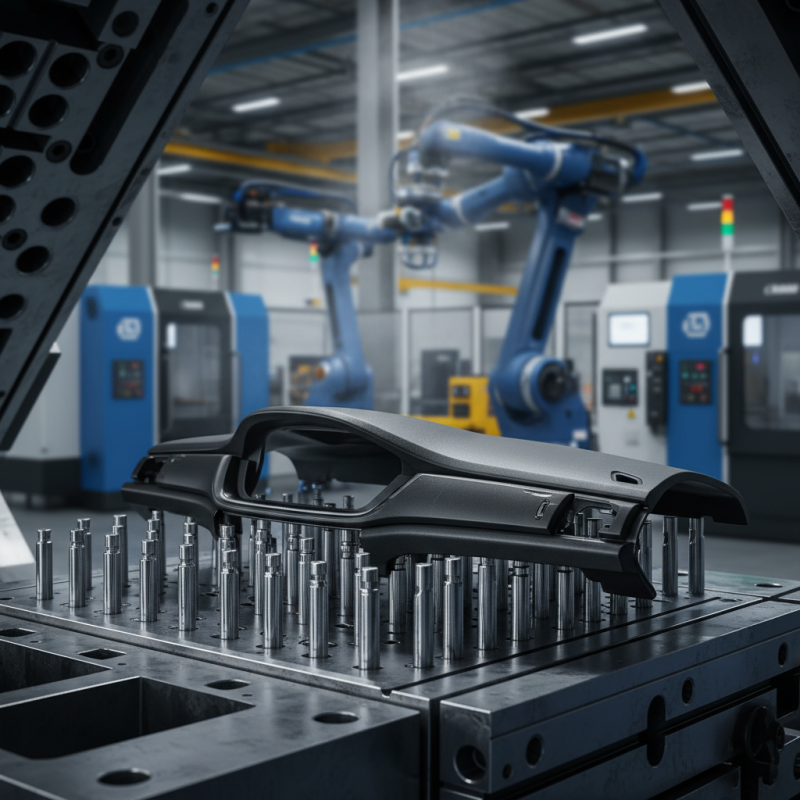
Ejector Pins: An Overview of Their Role in Manufacturing
Ejector pins play a critical role in the manufacturing processes across various industries in China. These small yet robust components are essential in injection molding. According to a report by ResearchAndMarkets, the global market for manufacturing equipment is expected to grow at a CAGR of 7.1% from 2022 to 2027. Ejector pins facilitate the removal of molded parts from their molds, ensuring efficiency and precision. Their presence minimizes the risk of part damage, promoting quality control in production lines.
In automotive manufacturing, ejector pins are crucial due to strict tolerances in component dimensions. A study published in the Journal of Manufacturing Science highlights that manufacturers can reduce cycle times by 20% through effective use of ejector pins. This increase in efficiency allows companies to meet rising consumer demand. However, improper use of ejector pins can lead to defects, highlighting the need for continuous monitoring and adjustment in manufacturing setups. The reliance on ejector pins must be matched by a commitment to regular maintenance and training of personnel to avoid pitfalls.
Moreover, not all ejector pins are created equal. Variations in materials and designs can significantly affect performance. A report by the American Society for Quality indicates that up to 30% of manufacturing defects might stem from inadequate fixtures like ejector pins. This statistic emphasizes the importance of selecting the right pin type for specific tasks within the diverse manufacturing landscape, encouraging firms to adopt a more analytical approach to their tooling strategies.
Top 10 Uses of Ejector Pins in Chinese Manufacturing Industries
Common Applications of Ejector Pins in Injection Molding Processes
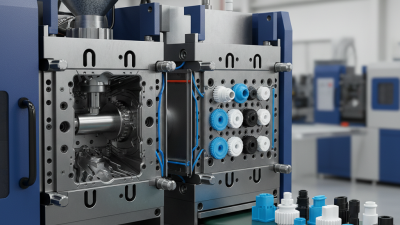
Ejector pins play a vital role in the injection molding process, particularly within Chinese manufacturing industries. These pins are essential for the removal of molded parts from the mold. They push against the part, ensuring it ejects cleanly and efficiently. This process enhances production speed and reduces cycle times significantly.
In automotive production, ejector pins are crucial for creating parts with precise dimensions. They ensure that complex shapes come out with the desired fidelity. In consumer electronics, these pins assist in the production of intricate components, optimizing the assembly line process. However, improper use can lead to defects, such as surface scratches or dimensional inaccuracies.
Tip: Always inspect the ejector pins for wear and tear. Regular maintenance can prevent costly production errors. Furthermore, using the right material for pins is vital. It influences durability and performance. A poorly chosen material can complicate the molding process, leading to unexpected failures. Reflecting on past projects can help improve future setups and avoid similar pitfalls.
Ejector Pins in Sheet Metal Forming: Enhancing Production Efficiency
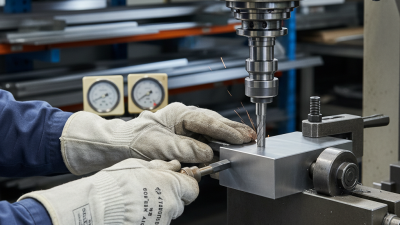
Ejector pins play a vital role in sheet metal forming, significantly enhancing production efficiency. As a critical component, these pins facilitate the removal of stamped sheets from dies. They ensure that every piece is produced with precision and consistency. Their reliable performance reduces the risk of imperfections, leading to higher quality products.
Using ejector pins reduces cycle times in manufacturing. When the sheet metal is stamped, the pins quickly eject the formed part. This not only accelerates the process but also minimizes downtime. However, it's essential to ensure the correct sizing and placement of pins. Improper installation can lead to damage or misalignment, a costly oversight.
The material of the ejector pin also influences efficiency. Pins made from high-quality steel withstand wear and tear better than lower-grade materials. Nonetheless, finding the right balance between strength and cost is crucial. Manufacturers must assess their needs carefully. Consistent evaluation of pin performance is necessary for continuous improvement in production lines.
The Impact of Ejector Pins on Quality Control in Manufacturing
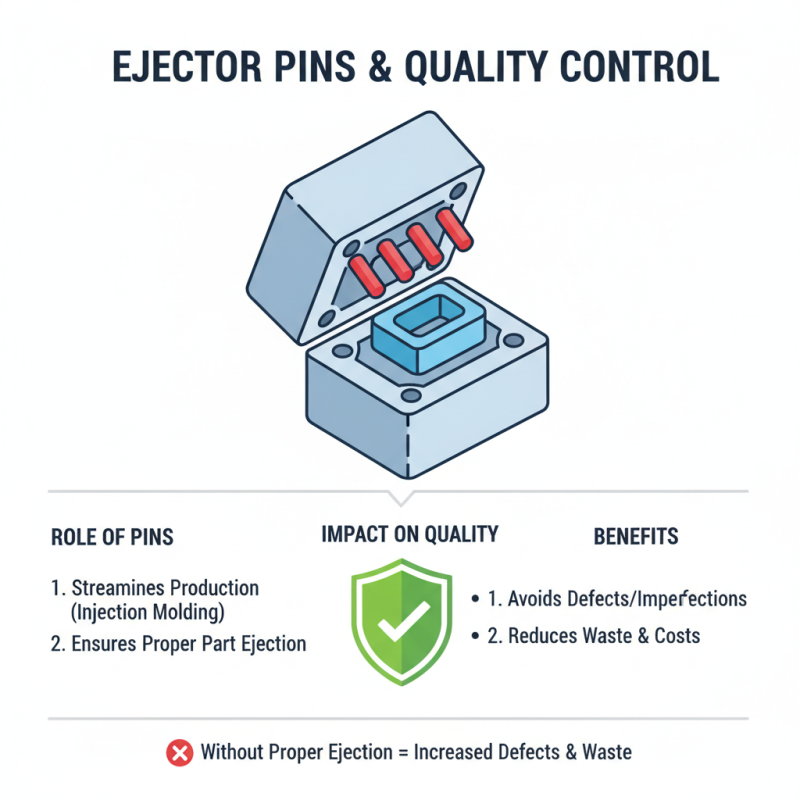
Ejector pins are crucial in the manufacturing process. They help streamline the production of parts, especially in injection molding. This significantly influences quality control. By ensuring proper ejection of components, manufacturers can avoid defects. When parts are not ejected properly, there can be imperfections. These can lead to increased waste and higher costs.
Using ejector pins enhances the consistency of manufactured products. The precision in the design and setup of these pins ensures minimal variations. This is essential for maintaining standards and meeting customer expectations. However, incorrect alignment or wear can lead to defects. Regular maintenance checks are necessary to avoid such issues.
**Tip:** Implement a maintenance schedule for ejector pins. This can help detect wear early and prevent production delays.
Quality control can be compromised if ejector pins are not used effectively. If parts remain stuck in molds, the risk of damage increases. This can result in reworks or replacements that affect productivity. Additionally, investing in high-quality ejector pins can pay off in the long run. They contribute to smoother operations and better end products.
**Tip:** Train operators on the importance of ejector pin management. Knowledge can empower staff to spot potential issues before they arise.
Innovations and Future Trends in Ejector Pin Technology in China
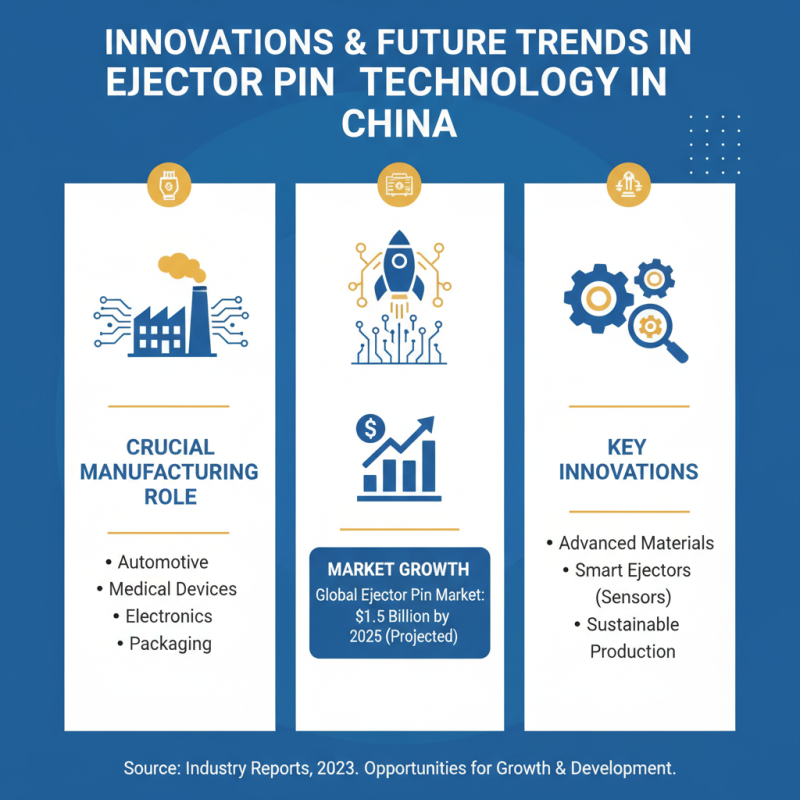
Ejector pins are crucial in various manufacturing processes across China. As industries evolve, innovations in ejector pin technology are appearing. Recent reports predict the global ejector pin market could reach $1.5 billion by 2025, signaling growth and development opportunities.
New materials are transforming ejector pin design. For instance, the use of advanced alloys increases durability and reduces wear. Enhanced coatings improve performance, decreasing friction in molding processes. These innovations help manufacturers streamline production, improve efficiency, and reduce downtime.
Despite advancements, challenges persist. Some manufacturers report difficulties in maintaining precise tolerances, which can affect product quality. The balance between cost and quality remains a pressing issue. As the industry progresses, addressing these issues could lead to significant improvements in ejector pin applications. This ongoing refinement is essential for the future of Chinese manufacturing.