What are the Essential CNC Accessories for Your Projects?
When diving into the world of CNC machining, having the right CNC Accessories is crucial. Renowned CNC expert, John Smith, emphasizes, "Quality accessories elevate the performance of any CNC project." This statement underscores the significance of choosing proper tools and supplies.
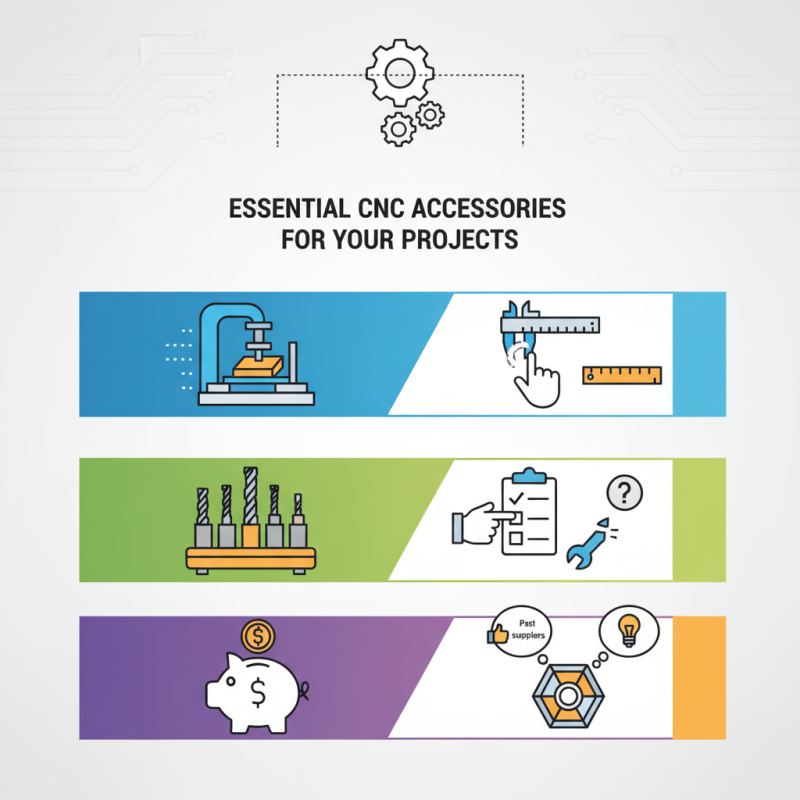
CNC accessories come in various forms. From clamps to tool holders, each plays a vital role in achieving accuracy. For example, a sturdy clamp can ensure stability during milling, enhancing precision and efficiency. Yet, not every accessory is necessary for every project. It’s essential to evaluate your specific needs.
Additionally, the marketplace is flooded with options. Some accessories may seem appealing but fail to deliver. Choosing low-quality items could compromise your project. Reflecting on past experiences with different suppliers can help you make better decisions moving forward. When it comes to CNC accessories, investing smartly ensures your projects are successful.
Essential CNC Accessories for Enhanced Precision and Efficiency
When working with CNC machines, the right accessories can greatly enhance precision and efficiency. A survey from the National Institute of Standards and Technology (NIST) shows that using high-quality cutting tools can improve machining accuracy by 30%. This is crucial for projects requiring tight tolerances. Tools such as end mills, drills, and inserts should be selected based on the material you’re working with. Using the wrong tool can lead to poor finishes and increased waste.
In addition to cutting tools, fixturing systems are vital. They secure workpieces, ensuring consistency throughout the machining process. A report by the Association for Manufacturing Technology indicates that companies investing in advanced fixturing saw a reduction in setup time by 25%. However, not all fixtures are created equal, and their effectiveness can vary significantly. Choosing the wrong system can introduce errors that escalate project costs.
Measuring tools, like calipers and gauges, also play a key role. Accurate measurements ensure that any deviations are caught early. Yet, many users overlook regular calibration. According to a study by the Precision Measurement Division, improperly calibrated tools can lead to mistakes in 15% of CNC operations. It's a reminder that precision doesn't just come from the machine; it relies on every accessory used in the process, highlighting the need for reflection and continuous improvement in any CNC project.
Key Safety Equipment for CNC Operators and Workshops
CNC operations can be exciting and rewarding, but they come with risks. Safety should always be a priority in any workshop. Essential safety equipment is necessary for CNC operators to ensure a secure working environment.
Protective eyewear is vital. Flying debris can cause serious injuries. Invest in high-quality goggles that fit well. Hearing protection is equally important. CNC machines are loud. Prolonged exposure can lead to hearing loss. Use earmuffs or earplugs to minimize risks.
When working with CNC machines, keep a clean workspace. Clutter can lead to accidents. Maintain a designated area for tools and materials. Don’t forget to wear suitable clothing. Avoid loose clothing that might get caught in machinery. Tight-fitting work garments can protect you from potential hazards.
Tip: Always inspect your safety gear before starting a project. Check for any damage or wear. Taking a moment for this can save you from future accidents. Additionally, consider taking regular safety training courses. Keeping your skills sharp ensures you stay safe while making amazing creations.
Must-Have Software Tools for CNC Programming and Design
When diving into CNC projects, the right software tools can make a significant difference. A reliable design tool is crucial. It allows you to create precise models for machining. You’ll need to visualize your ideas in 2D or 3D. The more detailed your design, the smoother the CNC process will be.
Tips: Always double-check your designs. A small error can lead to significant issues during production.
Additionally, efficient CNC programming software can streamline your workflow. Look for tools that offer G-code generation. This will save you time and effort. However, not all software is user-friendly. It can be frustrating, especially if it lacks clear documentation.
Tips: Spend time learning the software. Watch tutorials to understand the features. This investment pays off in the long run.
Finally, consider integration capabilities. Some software syncs well with CNC machines, while others may require adjustments. This can complicate your projects. Always keep your expectations realistic. Experience is essential in mastering these tools. Failure can teach you just as much as success.
Maintenance Tools and Accessories to Maximize CNC Longevity
CNC machines require ongoing care to ensure they perform optimally. Regular maintenance can extend the life of these machines by up to 40%. Essential accessories play a key role in this maintenance routine. High-quality lubricants help reduce friction and prevent wear. Proper lubrication can decrease spindle overheating, which could otherwise lead to costly repairs.
Tip: Always use the right lubricant. Check the manufacturer’s guidelines for specifications.
Dust collection systems are also vital. They not only improve air quality but protect machine parts from debris. A study found that regular cleaning can enhance the efficiency of CNC operations by more than 20%. Neglecting to maintain cleanliness can result in accelerated wear and tear.
Tip: Schedule regular cleaning sessions. Even a small amount of dust can cause significant damage over time.
Investing in proper measuring tools is essential too. Calipers and gauges ensure precision, preventing costly mistakes. Research suggests that inaccuracies can lead to scrap rates as high as 30%. Therefore, having reliable tools at hand cannot be understated.
Tip: Regularly calibrate your measuring devices. Accuracy is key to reducing errors.
Common CNC Accessories for Various Project Applications and Materials
When working on CNC projects, choosing the right accessories is crucial. For instance, clamps are essential for holding materials firmly in place. They come in various sizes and styles, catering to different project needs. You might find yourself needing different clamps for wood versus metal projects. Sometimes, the wrong clamp can lead to inaccuracies.
Another important accessory is the collet. A good collet holds your cutting tools securely. It minimizes vibrations and enhances precision. However, using a collet that doesn't match the tool can cause problems. You might experience tool slippage, which affects the overall quality of your work.
Dust collection systems often get overlooked. They keep your workspace clean and free from debris. A cluttered area can hinder focus and safety. While some might think of it as an afterthought, effective dust management can significantly improve your project outcomes. Reflecting on your setup is important. Always consider the accessories that enhance your projects and notice what you might be missing.
Essential CNC Accessories for Your Projects
This bar chart illustrates the frequency of usage for several essential CNC accessories used in various projects. End mills are the most frequently used, followed by router bits and collets. Understanding which accessories are frequently used can help in making effective purchasing decisions for your CNC projects.