Essential Tips for Plastic Injection Molding Success?
In the competitive landscape of manufacturing, plastic injection molding stands out as a crucial process. According to a report by MarketsandMarkets, the global plastic injection molding market is projected to reach USD 322.8 billion by 2025, showcasing a steady growth rate. This technique is vital for producing items ranging from automotive components to medical devices.
To achieve success in plastic injection, understanding the complexities of the process is essential. Mastering the intricacies of material selection, machine operation, and design can significantly impact product quality. However, many manufacturers overlook fundamental principles, leading to defects and increased costs. Research from the Society of Plastics Engineers highlights that nearly 30% of molded parts encounter quality issues. Recognizing and addressing these challenges allows companies to enhance their competitiveness.
Investing in training and adopting best practices can mitigate common pitfalls. Despite technological advancements, some manufacturers still struggle with design flaws and production inefficiencies. By fostering an environment of continuous improvement and leveraging expert knowledge, businesses can navigate the complexities of plastic injection molding more effectively.
Understanding the Plastic Injection Molding Process: Key Components and Stages
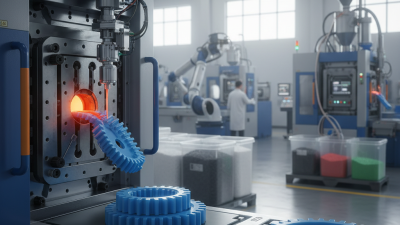
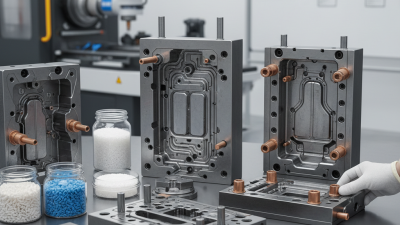
Understanding the plastic injection molding process is crucial for success in manufacturing. This method involves key components such as the injection unit, mold, and ejection system. The injection unit melts plastic pellets and injects them into the mold. According to a 2022 industry report, the global plastic injection molding market is projected to reach $356 billion by 2026. This rapid growth highlights the importance of mastering each stage of the process.
Mold design significantly impacts production efficiency. A well-designed mold can reduce cycle times and improve part quality. However, mold fabrication requires precise engineering. Inaccuracies can lead to defects, increasing costs and delaying projects. A study by Plastics Technology pointed out that 70% of companies experience issues due to inadequate mold design. Reviewing mold performance regularly can unveil areas for improvement.
The ejection system's role should not be overlooked. It ensures that finished parts are released without damage. If not adequately calibrated, parts can stick to the mold, leading to defects. Continuous monitoring of this system is essential. Feedback from operators can be invaluable. Incorporating their insights might reveal unexpected challenges and solutions in the injection molding process.
Material Selection for Injection Molding: Impact on Product Quality and Cost
Material selection is critical in injection molding. The right choice directly affects product quality and cost. Different plastics offer various properties, such as durability, flexibility, and thermal resistance. Ignoring these characteristics can lead to subpar products. Engineers must weigh the benefits and drawbacks of each material. Often, the cheaper option may compromise quality.
Tips for achieving success start with thorough research. Evaluate the end-use of your product. Consider environmental factors like temperature and exposure to chemicals. Work closely with suppliers to understand material strengths. Testing small batches can reveal potential issues early. Don’t be afraid to iterate. Adjustments in material can significantly enhance performance.
Moreover, remember to balance your budget with quality needs. Some materials, while inexpensive, may require more processing time. This can inflate costs unexpectedly. Sustainability is also key. Eco-friendly materials are gaining traction. They can appeal to consumers and may lower costs in the long run. Failing to adapt to trends could hinder your competitive edge. Always reflect on your choices and their long-term impact.
Optimizing Machine Settings: Temperature, Pressure, and Cycle Time Considerations
Optimizing machine settings is crucial in plastic injection molding. Proper temperature management plays a vital role in material flow and part quality. For instance, if the temperature is too low, the material may not fully melt, leading to poor fills. Conversely, excessive heat can degrade the plastic. It's a fine balance that requires careful monitoring.
Pressure settings also need attention. If the injection pressure is too high, it can cause defects such as flash or warping. Too low of a pressure can lead to incomplete fills. Experimenting with these settings can help you find the sweet spot for your specific materials and molds.
Cycle time is another critical factor. A shorter cycle may sound appealing, but rushing can compromise quality. Each mold may have its unique demands and tolerances. Take time to evaluate your results after each run. Continuous reflection and adjustments can lead to better outcomes. Be aware of the nuances in your process. Aim for steady improvements rather than perfection. Embrace the learning curve.
Essential Tips for Plastic Injection Molding Success
This chart illustrates the optimal machine settings for temperature, pressure, and cycle time in plastic injection molding, highlighting how each factor affects the overall process efficiency.
Troubleshooting Common Issues in Injection Molding: Defects and Solutions
Injection molding is a complex process, often fraught with challenges. Common defects can arise, impacting product quality and production efficiency. These include sink marks, warping, and surface blemishes. Identifying these issues early is crucial for a smoother production experience.
Sink marks occur when the material cools unevenly during the molding process. To prevent this, ensure uniform wall thickness in your designs. Pay attention to cooling times as well. Warping, on the other hand, can result from improper temperature settings. Adjusting both mold and material temperatures can help mitigate this issue.
Surface imperfections, like short shots, need immediate attention. This often signals insufficient material flow. Analyzing your injection settings can reveal the solution. Always monitor your process and be ready to make adjustments. Reflection on common mistakes can vastly improve your outcomes in injection molding. Having a plan for troubleshooting is essential for sustained success.
Importance of Design for Manufacturability (DFM) in Injection Molding Success
Design for Manufacturability (DFM) plays a crucial role in achieving success in plastic injection molding. Effective DFM considers every aspect of the manufacturing process. It ensures that the product design can be easily and efficiently manufactured. Poor design can lead to costly mistakes and delays. This highlights the importance of collaboration between design and engineering teams.
When designing for injection molding, simplicity is key. Complicated shapes can increase costs and production time. Choosing the right materials is also essential. Some materials may not perform well under certain conditions or may lead to defects. Designers must evaluate these factors carefully.
Reflecting on past projects is valuable. Learning from what went wrong can lead to better designs in the future. Aim for a balance between aesthetic appeal and manufacturability. Not every design element may be feasible in production. Continuous assessment and improvement are vital for long-term success in injection molding. Emphasizing DFM early can help navigate these challenges effectively.