Top Fastener Bolt Nut Trends at 2026 Canton Fair Insights?
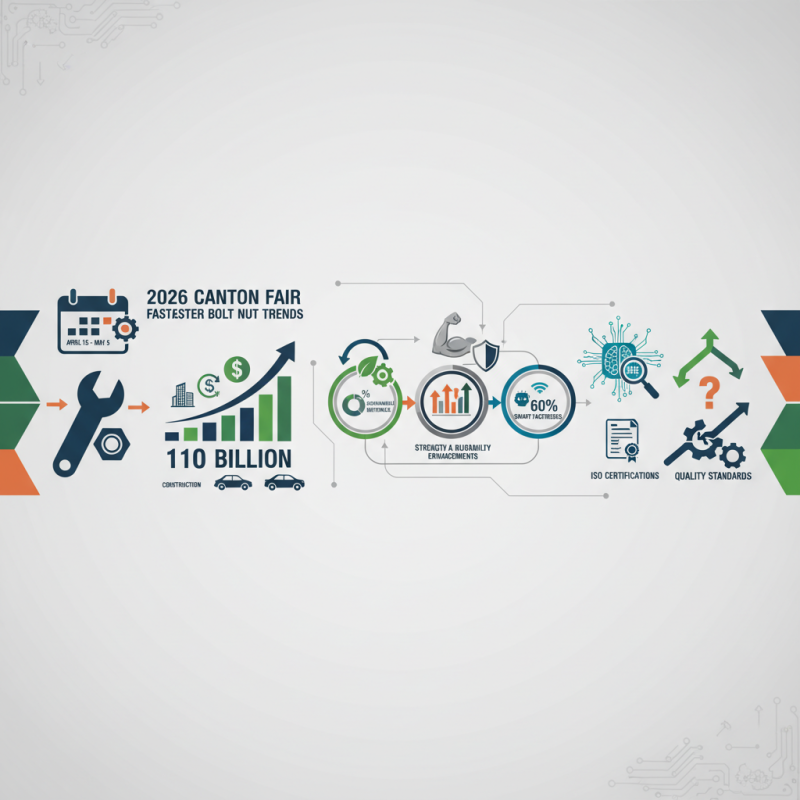
The upcoming 2026 Canton Fair is set to highlight the latest trends in the Fastener Bolt Nut industry. This event will take place from April 15 to May 5. With a focus on advanced manufacturing and mechanical innovations, the fair presents a significant opportunity for stakeholders. According to recent industry reports, the global fasteners market is expected to reach $110 billion by 2026.
This growth is driven by increased demand in construction and automotive sectors. Fastener Bolt Nut trends indicate a surge in the adoption of sustainable materials. Companies are also exploring strength and durability enhancements. Notably, 60% of manufacturers are investing in smart fasteners, which could redefine product offerings.
Moreover, the incorporation of AI technology at the fair will assist buyers in finding suppliers efficiently. The AI-driven system enhances navigation and matches specific requirements, like ISO certifications. However, despite the advancements, challenges remain in meeting quality standards consistently. This complex landscape calls for ongoing reflection and adaptation among industry players. The fair will serve as a crucial hub for exploring these dynamics.
Top Fastener Innovations Showcased at the 2026 Canton Fair
The 2026 Canton Fair showcased remarkable innovations in fastener technology. Among the most exciting were eco-friendly materials. These new materials aim to reduce environmental impact. Manufacturers demonstrated the strength and durability of these sustainable options. Visitors were eager to learn about their benefits.
Another highlight was smart fastening systems. These systems integrate technology into traditional fasteners. Sensors are embedded to monitor stress and performance. This information can be invaluable for ensuring safety and longevity. However, there were concerns about complexity and cost.
Additionally, magnetic fasteners attracted attention. These easy-to-use solutions can simplify assembly. But some attendees questioned their long-term reliability. The balance between innovation and practicality remains a topic of debate. The 2026 Canton Fair opened doors for dialogue on these trends, though not all aspects were perfect.
Sustainable Materials and Eco-Friendly Fastener Solutions
The 2026 Canton Fair will showcase the latest trends in fasteners. A major focus is on sustainable materials in bolt and nut manufacturing. More manufacturers are exploring innovative solutions for eco-friendly fasteners. These alternatives often use recycled materials, reducing environmental impact.
Many companies are testing biodegradable materials for fasteners as well. Such developments might seem promising, but there are challenges. For example, performance and durability need significant improvement. Buyers are concerned about the long-term effectiveness of these materials. They wonder if eco-friendly means sacrificing quality.
The trend signals a shift towards sustainability in the manufacturing sector. However, the industry must balance environmental goals with practical needs. Transparency is vital in sourcing materials. Fastener producers face pressure to comply with stricter regulations. This creates an opportunity for collaboration and innovation. The future of fasteners could be both green and resilient, but achieving this requires ongoing effort.
Technological Advancements in Fastener Manufacturing Techniques
The 2026 Canton Fair promises to showcase new trends in fastener manufacturing. Technological advancements are reshaping production methods in this sector. Automation is becoming vital. Factories use robots for precision tasks, which minimizes human error and speeds up output.
Additive manufacturing is another trend. It allows rapid prototyping and customization. Designers can create unique shapes and sizes. This technology also reduces waste significantly. However, some challenges remain. Not all designs translate well to large-scale production.
Sustainability is a growing concern. Eco-friendly materials are gaining traction, but sourcing can be tricky. Industry players need to rethink their supply chains. There is a fine balance between innovation and practicality. Fastener manufacturers must adapt or risk falling behind.
Emerging Trends in Fastener Design and Customization
The fastener industry is experiencing exciting changes in design and customization. Many manufacturers are focusing on unique shapes and finishes. This allows for better integration into various products. Customization can dramatically improve functionality and aesthetics. Designers are experimenting with new materials, such as lightweight alloys and eco-friendly options. This trend is paving the way for more sustainable fasteners.
One aspect of emerging trends is the push for smarter designs. Fasteners that signal maintenance needs are gaining popularity. This innovation may solve issues related to equipment failure. However, the implementation of such technology may face challenges. The cost of development could deter companies from pursuing these advanced designs. Additionally, there is a need for industry-wide standards.
Customization is not just about aesthetics but also about usability. Fasteners tailored for specific industries can enhance performance. The challenge lies in balancing functionality with production efficiency. How can manufacturers meet diverse needs without incurring high costs? This remains a question for many in the industry. Finding answers will be key to thriving in the evolving market.
Market Insights: Demand and Supply Dynamics in Fastener Sector
In 2026, the Canton Fair will spotlight key trends in the fastener sector. Demand continues to surge as industries recognize the importance of quality fasteners in manufacturing. Factors like construction, automotive, and electronics are driving this growth. Buyers seek durable materials with precise specifications. Meanwhile, adjusting to supply chain disruptions remains a challenge.
Supply dynamics are shifting. The production process is more complex than ever. Manufacturers are experimenting with new materials and designs to meet evolving needs. However, sourcing raw materials can be tricky, leading to delays. Flexibility in production will be vital to navigate these hurdles. Companies must embrace innovation while addressing cost pressures.
Emerging markets are also influencing demand. Increased infrastructure projects are on the rise. This opens new opportunities but brings competition. Companies need to balance quantity and quality to succeed. Understanding local markets is essential for strategic expansion. The fastener industry must continually adapt to stay relevant.