What is the Future of Plastic Industries and Its Impact?
The future of plastic industries is complex and multifaceted. In 2021, global plastic production reached approximately 368 million metric tons. This figure is projected to rise by 3.5% annually through 2026. The convenience and versatility of plastics drive this growth. However, this increase raises significant environmental concerns.
Plastic waste is a critical issue. The World Economic Forum reports that, by 2030, plastic pollution could reach 1.3 billion metric tons. Many consumers and industries are beginning to recognize the unsustainability of current practices. Emerging technologies, such as biodegradable plastics, offer hope but require substantial investment and innovation.
As the world grapples with the consequences of plastic usage, the plastic industries must adapt. Striking a balance between demand and sustainability remains elusive. Industry leaders face pressure to redefine their roles in a changing landscape. It's clear that without proactive measures, plastics will continue to pose challenges for future generations.
Future Trends in Plastic Production Technologies
The future of plastic production technologies is set to transform the industry. Innovations are emerging to make production processes more efficient and sustainable. Recycling and biodegradable options are becoming standard practices. These advancements address growing environmental concerns, but challenges remain. Is the industry evolving fast enough?
Bioplastics are gaining traction. They use renewable resources and reduce reliance on fossil fuels. However, questions linger about their environmental impact. Some bioplastics still rely on harmful agricultural practices. The quest for truly eco-friendly materials is ongoing, and progress is sometimes slow. We must critically evaluate new developments.
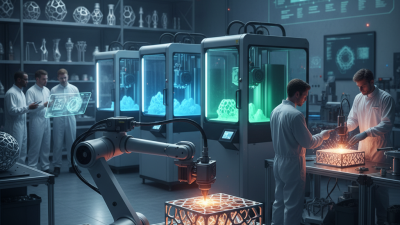
3D printing technology is also reshaping production methods. It allows for customized designs and reduces waste. But the energy consumption of these processes needs scrutiny. Are we trading one problem for another? As we push forward, it’s crucial to balance innovation while keeping ecological sustainability in focus. The path ahead is exciting, but we must tread thoughtfully.
Environmental Impacts of Plastic Production and Waste
The environmental impacts of plastic production and waste are profound. In 2019, the world generated approximately 300 million tons of plastic waste. Around 50% of this was single-use plastic. Most of this waste ends up in landfills or oceans, leading to significant ecological damage. Marine life is particularly at risk. Studies show that over 800 species are affected by marine debris, including plastics.
Plastic production itself is resource-intensive. It relies heavily on fossil fuels, contributing to greenhouse gas emissions. The production chain emits about 1.8 billion metric tons of carbon dioxide annually. This figure could rise significantly as demand increases. According to researchers, if current trends continue, plastic production may account for 20% of global carbon emissions by 2030.
Despite recycling efforts, the recycling rate for plastics remains low. Only around 9% of plastics are ever recycled. Many end up in incinerators, releasing toxic pollutants. These materials persist in the environment for centuries, posing a challenge for sustainability advocates. There is a critical need to rethink our reliance on plastic and explore alternative materials. Transitioning requires innovation and commitment from all sectors.
Transitioning to Sustainable Alternatives in Plastic Industries
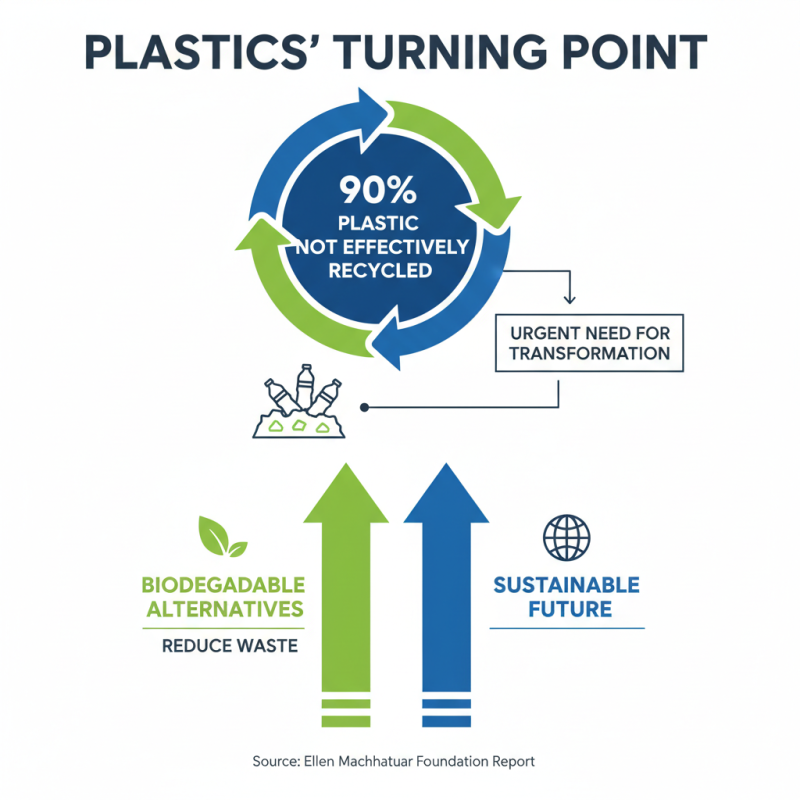
The plastic industry faces immense pressure to adopt sustainable alternatives. According to a recent report by the Ellen MacArthur Foundation, around 90% of plastic is not recycled effectively. This alarming statistic highlights the urgent need for transformation. Biodegradable materials are emerging as viable substitutes. Research shows these alternatives can reduce plastic waste significantly.
Many companies are exploring natural polymers, which have a smaller environmental footprint. The global market for biodegradable plastics is projected to reach $10.5 billion by 2026. However, challenges remain. Not all alternatives perform similarly to traditional plastics. Some biodegradable options require specific conditions to decompose. This means they may still end up in landfills if not handled properly.
The shift to sustainable materials is not just technical; it is also cultural. Consumers are becoming more aware of plastic's impact. A survey found that 60% of consumers prefer brands using eco-friendly packaging. This pressure on industries can drive change, yet there is still a long way to go. As we innovate, we must consider the entire lifecycle of materials. The journey toward sustainability is complex and demands collective effort.
Regulatory Changes Affecting Plastic Manufacturing Practices
The plastic industry is facing significant regulatory changes that impact manufacturing practices. In recent years, governments globally have introduced stricter regulations aimed at reducing plastic waste. According to a report by Grand View Research, the global market for biodegradable plastics may reach $9.61 billion by 2025. This shift indicates a growing preference for sustainable materials over traditional plastics.
New regulations often require manufacturers to alter their production processes. Many are now investing in advanced recycling technologies and alternatives to petroleum-based plastics. The Ellen MacArthur Foundation estimates that only 9% of plastic ever produced has been recycled. This statistic highlights the pressing need for change within the industry. Companies not adhering to new standards may face severe penalties, which adds another layer of complexity to compliance.
This transition to sustainable practices can sometimes come with challenges. Some manufacturers may struggle with the initial costs of adopting new technologies. Reports suggest that while consumers support greener options, the price point remains a significant barrier. The industry must balance the drive for innovation with practical, cost-effective solutions. As regulations evolve, the future of plastic manufacturing may depend on this delicate balance.
Consumer Awareness and Its Role in Shaping the Plastic Industry
Consumer awareness is transforming the plastic industry. More people recognize the environmental impact of plastic waste. Data shows that around 300 million tons of plastic are produced annually. A significant portion ends up in oceans, harming marine life. This awareness drives demand for sustainable alternatives. Reports indicate that 60% of consumers prefer brands with eco-friendly practices.
Despite progress, challenges remain. Many consumers still choose convenience over sustainability. Single-use plastics are prevalent in daily life. Education is key. A survey revealed that 70% of consumers lack knowledge about recycling practices. This indicates a gap that needs addressing.
**Tip:** Start small. Carry a reusable bag or bottle. It’s a simple change that adds to a larger movement. Every effort counts in reducing plastic reliance.
With rising awareness, companies face pressure to adapt. They must innovate and reduce plastic usage. However, some may resist due to cost concerns. It’s essential to balance financial viability with environmental responsibility.
**Tip:** Research companies before purchasing. Support those committed to sustainable practices. Every informed choice impacts the market and drives change.
What is the Future of Plastic Industries and Its Impact? - Consumer Awareness and Its Role in Shaping the Plastic Industry
| Dimension |
Current Status |
Future Trends |
Impact on Environment |
| Production Volume |
350 million tons annually |
Increase to 500 million tons by 2030 |
Higher carbon footprint, increased pollution |
| Recycling Rate |
9% globally |
Target of 30% by 2030 |
Reduced landfill waste, potential recovery of resources |
| Consumer Awareness |
Growing interest in sustainability |
Increased demand for eco-friendly alternatives |
Encouragement of responsible production practices |
| Government Regulations |
Stricter regulations in many countries |
Further tightening by 2025 |
Reduction in single-use plastics |
| Innovations |
Emergence of bioplastics |
Growth in biodegradable materials |
Potential decrease in plastic pollution |