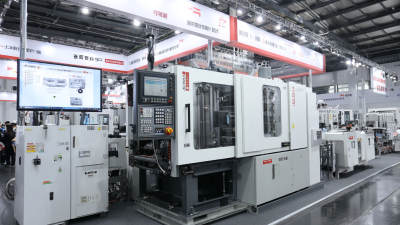
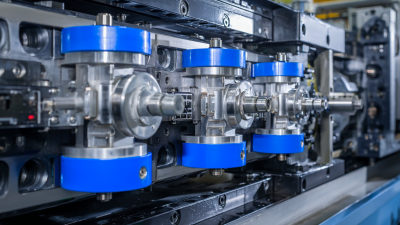
Why is Plastic Injection Molding Important for Manufacturing?
Plastic injection molding plays a crucial role in modern manufacturing. According to Dr. John Smith, a leading expert in the plastic injection industry, “The precision and efficiency of plastic injection molding shape the future of production.” This process allows manufacturers to create complex shapes at a high volume and low cost.
The significance of plastic injection extends beyond mere production efficiency. It also influences product quality and design flexibility. Manufacturers can experiment with various materials and intricate designs. However, while the advantages are clear, challenges remain. Issues such as waste and the environmental impact of plastic are critical considerations. Balancing innovation with sustainable practices is essential for the industry's future.
As the market evolves, the importance of understanding plastic injection molding deepens. Companies must focus on both advancements in technology and eco-friendly solutions. Embracing these changes is vital for sustainable growth in manufacturing.
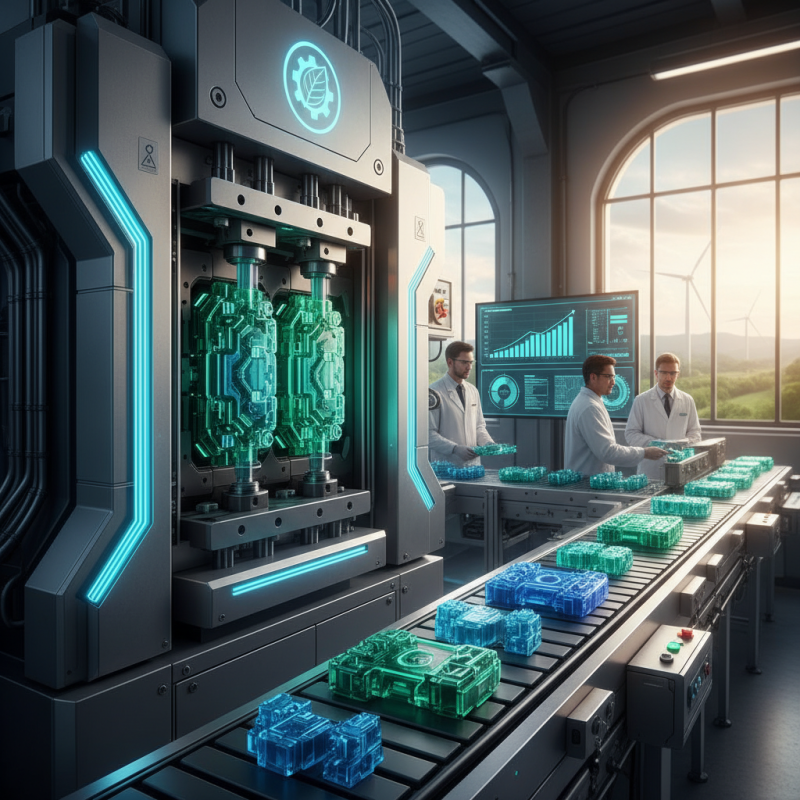
Overview of Plastic Injection Molding in Manufacturing
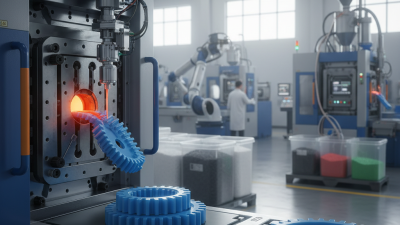
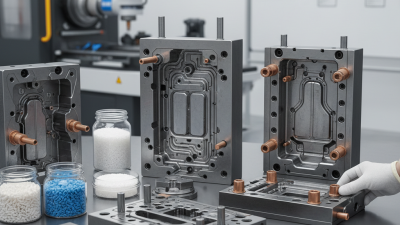
Plastic injection molding is a key process in modern manufacturing. It allows for the rapid production of intricate plastic components. This technique involves injecting molten plastic into molds. Once cooled, the molds are removed, producing high-quality parts. Manufacturers rely on this method for its efficiency and precision. The speed of production can be astounding. Many parts can be created in mere seconds.
However, not everything about plastic injection molding is perfect. The initial cost of creating molds can be significant. This may deter smaller companies from investing in this technology. Furthermore, if the mold design isn’t optimal, it can lead to defects. These issues demand careful planning and frequent adjustments. The complexity of the mold design also requires skilled technicians to operate and maintain the systems.
Despite these challenges, plastic injection molding holds immense potential. Its ability to produce large quantities at a low cost is unmatched. Companies continually strive to improve processes, exploring new materials and designs. The journey in mastering this technique is ongoing. Each iteration teaches valuable lessons that contribute to better manufacturing practices.
Importance of Plastic Injection Molding in Manufacturing
Key Benefits of Plastic Injection Molding for Production Efficiency
Plastic injection molding plays a vital role in modern manufacturing due to its significant advantages in production efficiency. According to a report by Allied Market Research, the global market for plastic injection molding is projected to reach $460 billion by 2027. This growth indicates a rising recognition of the process's efficiency. Speed is a major factor. Injection molding can produce thousands of parts per hour, reducing production time dramatically.
Quality control is critical in this process. Automated systems help monitor conditions closely, significantly decreasing defects. A study by the Society of Plastics Engineers found that injection molding can achieve up to 95% accuracy, which minimizes waste and costs. However, not every operation maintains this level. Complications can arise from poor design or inadequate material choices. Manufacturers often face challenges in balancing cost-effectiveness with high precision.
Another noteworthy aspect is energy efficiency. This process uses less energy compared to traditional manufacturing methods. Reports show that energy consumption can be reduced by 30%. Yet, there are still opportunities for improvement. Transitioning to more sustainable materials remains a hot topic in the industry. Addressing these challenges is essential for future advancements. Manufacturers should reflect on their processes to enhance efficiency continuously.
Why is Plastic Injection Molding Important for Manufacturing? - Key Benefits of Plastic Injection Molding for Production Efficiency
| Benefit |
Description |
Impact on Production Efficiency |
| High Precision |
Injection molding allows for tight tolerances and complex shapes, ensuring parts fit together perfectly. |
Reduces assembly costs and time, enhancing overall production efficiency. |
| Fast Production Rates |
The process can produce large quantities of plastic parts quickly, minimizing lead times. |
Increases output and supports high-volume production demands. |
| Material Versatility |
Compatible with a wide range of plastics, allowing for diverse end products. |
Facilitates product diversity and customization without significant redesign effort. |
| Lower Labor Costs |
Automation of the injection molding process reduces the need for manual labor. |
Decreases operational costs and increases efficiency in workforce management. |
| Sustainability |
Many modern plastics are recyclable, and processes can minimize waste. |
Supports eco-friendly practices while maintaining efficient production lines. |
The Role of Plastic Injection Molding in Product Design and Prototyping
Plastic injection molding plays a crucial role in product design and prototyping. This method allows for complex shapes to be created quickly and accurately. According to industry reports, over 30% of all manufactured goods utilize plastic injection molds. This statistic highlights its importance in diverse sectors, including automotive, consumer goods, and electronics.
The speed of prototyping is one of the key advantages. Designers can produce functional prototypes within days instead of weeks. However, the initial setup cost can be quite high. Many companies struggle to balance costs with the need for high-quality prototypes. The ability to refine designs continuously through iterations makes this method appealing, though investment may pose a challenge.
In some cases, the quality of prototypes may not meet expectations due to material limitations. Designers sometimes overlook the impact of using recycled materials, which can lead to performance issues. The focus on speed can lead to overlooking critical details. Still, the feedback obtained from early prototypes often drives innovations that improve final products. Balancing speed, cost, and quality remains a challenge for many in the industry.
Environmental Considerations in Plastic Injection Molding Processes
Plastic injection molding has become essential in modern manufacturing. However, it brings environmental concerns that cannot be overlooked. The processes involved often produce waste and plastic pollution. These issues spark ongoing debates about sustainability in the industry.
In plastic injection molding, materials used are typically petroleum-based. When these plastics degrade, they can release harmful chemicals. Some manufacturers recycle scrap material, but many still discard large amounts. This raises questions about the industry's commitment to environmental responsibility.
Efforts to minimize waste are gaining traction. Using biodegradable materials can help reduce environmental impacts. Some companies are exploring alternative materials that are less harmful. Yet, these innovations require time and investment. Not all manufacturers prioritize these changes, leading to a slow shift towards more sustainable practices.
Future Trends in Plastic Injection Molding Technologies and Applications
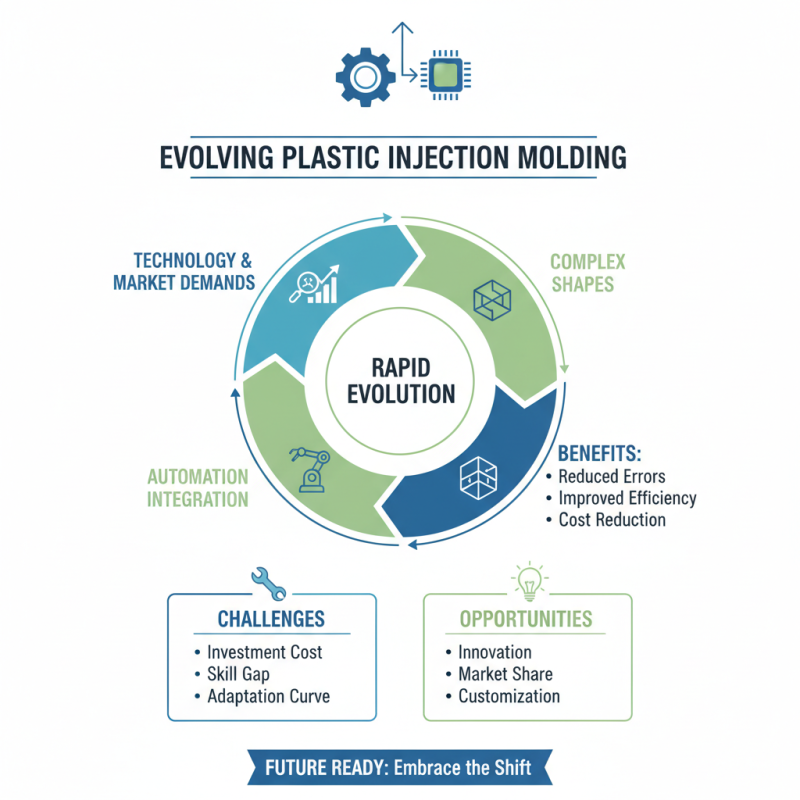
Plastic injection molding is evolving rapidly, driven by technology and market demands. One notable trend is the integration of automation. Automated processes can reduce errors. They improve efficiency and cut costs. This shift allows manufacturers to produce more complex shapes with precision. As the technology advances, businesses will need to adapt, facing challenges and opportunities.
Sustainability is becoming a major focus in this industry. More companies are exploring biodegradable materials. These alternatives can reduce environmental impact. However, finding the right balance between performance and eco-friendliness remains tricky. Manufacturers often struggle with the cost implications of switching to sustainable options.
The incorporation of smart technology is another significant trend. IoT devices can monitor production in real-time. This enhances quality control and reduces waste. Yet, many firms are lagging in adopting these innovations. Some might find the integration overwhelming or costly. As the industry moves forward, addressing these hurdles will be essential for growth.