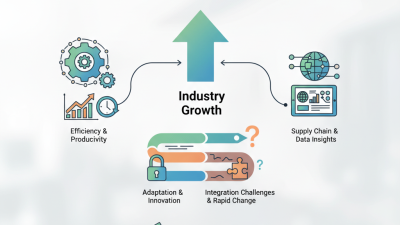
10 Tips for Maximizing Industrial Applications Efficiency
In today's competitive landscape, maximizing efficiency in industrial applications is crucial. Dr. Emily Carter, a leading expert in industrial engineering, once stated, "Efficiency is not just a goal; it’s the key to survival." This insight underscores the importance of optimizing processes to enhance productivity.
Industrial applications encompass various sectors, from manufacturing to logistics. Each sector faces unique challenges that can hinder efficiency. For instance, outdated machinery can slow production rates and increase costs. Experts often point out that minor improvements can lead to significant gains.
Identifying inefficiencies requires a proactive approach. Regular assessments can reveal hidden bottlenecks. Emphasizing crew training and resource management can transform an operation. In a rapidly evolving industry, companies must adapt or risk obsolescence. Therefore, the pursuit of efficiency in industrial applications is not merely beneficial—it’s essential for long-term success.

Understanding Industrial Applications and Their Importance
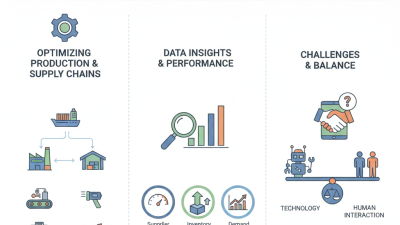
Industrial applications are vital to modern economies. They streamline processes and drive productivity across various sectors. Understanding these applications helps organizations adapt and innovate, maximizing efficiency. Poor implementation can lead to wasted resources. Therefore, it's essential to assess and refine these processes continuously.
Efficiency in industrial applications comes from informed decision-making. Using data analytics enhances insights into performance metrics. However, many organizations overlook data quality. Inaccurate data can result in misguided strategies. Regular audits and reviews of data sources are crucial for maintaining reliability.
Moreover, training employees is often an afterthought. Skilled workers are key to operational success. Yet, companies frequently underestimate the importance of ongoing education. Investing in training pays off by boosting morale and retention. Engaging teams in the process fosters a culture of improvement. The challenge lies in finding the right balance between technology and the human element.
Identifying Key Metrics for Measuring Efficiency in Industrial Processes
Measuring efficiency in industrial processes requires careful consideration of key metrics. Start by identifying the most important aspects of your operations. Production speed is often a primary indicator. Track the output levels against set targets. However, raw numbers can be misleading if you don’t consider quality. A drop in product quality can lead to higher costs and waste.
Next, analyze resource consumption. Keep an eye on energy usage, material waste, and labor efficiency. Are employees working in optimal conditions? Are machines well-maintained? This requires a hands-on approach, sometimes revealing underlying issues in workflows. Data collection should be consistent and transparent, allowing for better decision-making.
Lastly, consider downtime metrics. Analyzing both planned and unplanned downtime can highlight inefficiencies. It’s painful but crucial to accept that some processes are outdated or can be improved. Regular reviews help in pinpointing these areas, even if it means admitting mistakes. Efficiency is not just about speed but also about continually enhancing processes for long-term gains.
Maximizing Industrial Applications Efficiency
Implementing Automation Technologies for Enhanced Productivity
In today's industrial landscape, automation technologies hold incredible potential. By automating repetitive tasks, businesses can significantly boost productivity. Employees can focus on high-value work, which fosters innovation and enhances job satisfaction. Integration is key; systems must communicate effectively.
One effective tip is to evaluate existing workflows. Identify bottlenecks in processes. Streamlining these areas can lead to improved efficiency. Another valuable approach is to invest in training. Employees must understand new technologies. Proper training can mitigate resistance to change, ensuring a smoother transition.
Adopting data analytics is also crucial. It reveals patterns and areas for improvement. These insights can guide decisions, steering companies toward optimized operations. Experiment with pilot projects before full implementation. This allows for adjustments based on real-world feedback. Embracing a culture of continuous improvement can drive lasting change. An important aspect that often gets overlooked is the need for ongoing evaluation. Automation is not a one-time fix. Regularly assessing its impact ensures sustained benefits.
Training and Development of Workforce to Boost Operational Efficiency
Investing in workforce training and development is crucial for boosting operational efficiency in industrial applications. When employees have the right skills, tasks are completed faster and with greater accuracy. Engaging team members in continuous learning cultivates a culture of innovation. It encourages them to share insights and improve processes.
However, training programs need regular evaluation. Many organizations implement training without assessing its effectiveness. It's vital to gather feedback from participants. Realign training goals with the actual needs of the workforce. Tailored programs have a higher impact than generic ones. This approach not only enhances skills but also builds confidence.
Moreover, hands-on experience complements classroom learning. Simulation-based training allows employees to practice in real-world scenarios. This preparation is critical for their success. Team collaboration during training fosters a sense of community. But leaders must remember that learning is an ongoing journey. Emphasizing a growth mindset helps everyone adapt to changing industrial demands.
Regular Maintenance and Upgrades to Prevent Downtime and Wastage
Regular maintenance is crucial for maximizing industrial application efficiency. Reports indicate that unplanned downtime can cost manufacturers up to $260,000 per hour. Regular check-ups can significantly reduce this risk. Implementing a preventive maintenance strategy can extend equipment life and improve performance.
Upgrades also play a vital role. Studies show that businesses that invest in technology upgrades experience a 20% increase in productivity. Fresh technology reduces error rates and enhances communication between machines. Regularly scheduled upgrades keep systems current and capable of meeting market demands.
Here are some quick tips:
- Implement a maintenance schedule to regularly check equipment.
- Train staff on operational best practices.
- Use analytics to monitor equipment efficiency.
These strategies not only prevent downtime but also minimize wastage. However, it’s essential to reflect on your current practices. Overlooking small issues can lead to larger problems. Engage with your team to identify potential weaknesses.
10 Tips for Maximizing Industrial Applications Efficiency
| Tip |
Description |
Frequency |
Importance Level |
| Regular Inspections |
Conduct regular inspections of machinery to detect potential issues early. |
Monthly |
High |
| Lubrication |
Ensure all moving parts are adequately lubricated to reduce friction and wear. |
Weekly |
Medium |
| Software Updates |
Regularly update control software to improve efficiency and security. |
Quarterly |
High |
| Training |
Provide workers with ongoing training to improve skillsets and operational efficiency. |
Bi-Annual |
High |
| Spare Parts Inventory |
Maintain an inventory of critical spare parts to avoid unexpected downtime. |
Ongoing |
High |
| Performance Monitoring |
Utilize monitoring tools to track machine performance in real-time. |
Daily |
Medium |
| Emergency Protocols |
Establish and practice emergency protocols to minimize damage during incidents. |
Annual |
High |
| Energy Audits |
Conduct energy audits to identify areas of wasted energy and reduce costs. |
Annually |
Medium |
| Documentation |
Keep accurate records of maintenance activities and machine performance. |
Ongoing |
High |