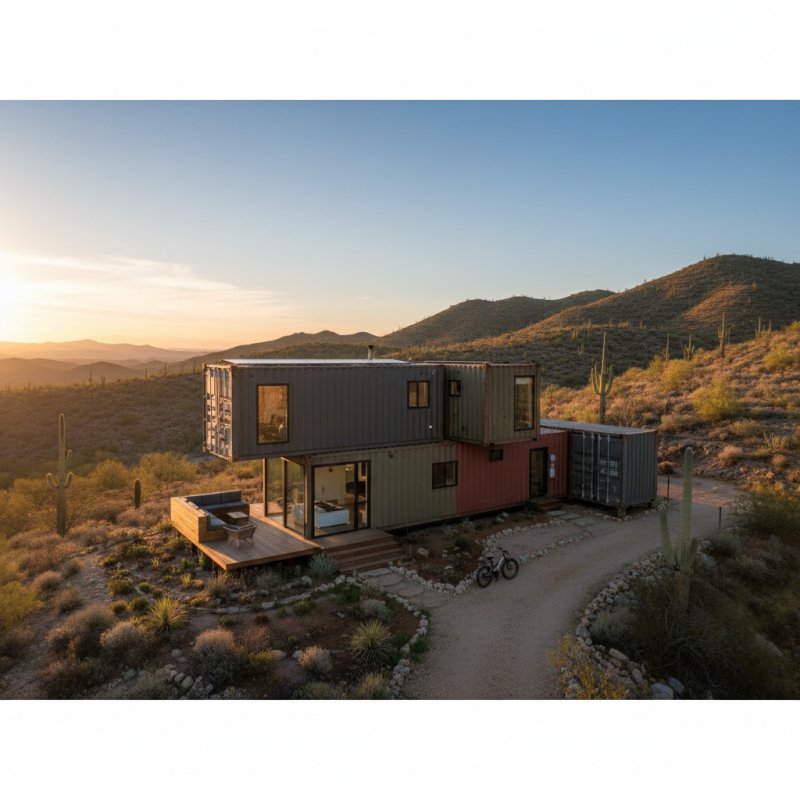
Prefab Container House Tips for Affordable Living Solutions?
In today's fast-paced world, finding affordable living solutions is essential. The Prefab Container House has emerged as a popular option. These homes are made from repurposed shipping containers. They offer a unique blend of creativity and functionality. Many people appreciate their modern architectural designs.
Living in a Prefab Container House can be an exciting adventure. However, it’s not without challenges. Space can be limited, affecting daily life. Some owners struggle with insulation issues too. It's crucial to plan the layout carefully. Each square foot must be utilized wisely.
Choosing a Prefab Container House for affordable living is a journey. It requires careful thought and reflection. The construction process can be complex. Budgeting is essential, as costs can quickly add up. Embracing this lifestyle can lead to growth and self-discovery, despite the hurdles.
Understanding Prefab Container Houses and Their Benefits
Prefab container houses are gaining popularity as practical living solutions. These structures offer various benefits, making them attractive to many homeowners. A recent industry report highlighted that using shipping containers can reduce construction costs by up to 30% compared to traditional homes. This cost-efficient method appeals to those seeking affordable living.
One key advantage is their versatility. Container houses can be customized to fit various needs and preferences. They can be stacked or arranged in unique layouts, often maximizing space in urban environments. However, design flexibility does present challenges. Homeowners must consider insulation and ventilation. These factors are crucial for comfort and energy efficiency.
Additionally, prefab container homes are environmentally friendly. They utilize existing materials, reducing waste. According to studies, over 30% of construction waste comes from traditional building methods. However, there is room for improvement in the recycling of containers themselves. Not all containers are suitable for conversion, leading to potential environmental concerns. Rethinking how we process and repurpose these materials remains essential for sustainable living.
Cost Analysis of Building a Prefab Container Home
When considering a prefab container home, cost is a primary factor. Building one often appears less expensive than traditional homes. Basic elements like insulation, plumbing, and electrical work can influence total expenses significantly. Despite the affordability, associated costs can add up quickly. It's essential to calculate not only the initial outlay but also ongoing maintenance and utility costs.
Location plays a crucial role in the overall budget. Setting up in urban areas may require additional permits and regulations, which can escalate expenses. Also, transportation fees for the containers can vary widely. The need for a solid foundation can further increase costs. Unforeseen expenses are often part of the process. Budgeting for these can be tricky but necessary.
While the allure of low costs is tempting, potential buyers must ensure they have a thorough understanding of all expenses. Cutting corners might save money initially but lead to higher repairs later on. Reflecting on these factors can help in making informed decisions. A prefab container house holds promise, but practical considerations must not be overlooked.
Essential Features to Consider in Container House Design
When designing a prefab container house, certain essential features can significantly impact comfort and affordability. One crucial aspect is insulation. According to the Institute of Structural Engineers, proper insulation can reduce energy costs by up to 30%. Effective insulation keeps the house warm in winter and cool in summer. This reduces reliance on heating and cooling systems, ultimately leading to savings.
Natural light is another key feature. Large windows and skylights can enhance the living experience. A study by the American Institute of Architecture reveals that natural light improves mood and productivity. It also reduces the need for artificial lighting during the day. However, achieving balance is important. Too many windows can lead to overexposure, making spaces uncomfortably hot.
Furthermore, the layout of the container house must prioritize efficient use of space. Minimalist designs can create a sense of openness but might sacrifice storage. The National Association of Home Builders points out that multifunctional furniture is essential in small spaces. Consideration should be given to how each element serves multiple purposes. Don't overlook these aspects as they can profoundly affect the quality of life in your container home.
Tips for Selecting the Right Location for Your Container Home
Choosing the right location for your container home is crucial. The setting impacts your lifestyle and overall happiness. Think about accessibility. Are there roads nearby? Local amenities are important too. Consider grocery stores, clinics, and schools. You might think a remote area is peaceful, but it can be isolating.
Weather is another factor. Is your future home in a flood zone? Heavy snowfall could cause issues. Look for areas with stable climates. It’s wise to check local building regulations. Some places may not allow container homes. Check zoning laws to avoid headaches later.
Avoid impulse decisions. Visit potential sites at different times of the day. Observe the neighborhood. Is it quiet or noisy? Are neighbors welcoming? Reflect on these observations. They can shape your experience in a container home. Remember, you want a space that feels right for you.
Sustainable Living: Eco-Friendly Practices for Container Homes
Container homes are gaining popularity for their affordable and sustainable characteristics. They are made from repurposed shipping containers. This practice reduces waste and minimizes the carbon footprint. Using these containers can lead to innovative living solutions. However, not all designs are eco-friendly. It’s essential to consider insulation and ventilation. Poor choices can lead to uncomfortable living spaces.
Incorporating solar panels can enhance sustainability. They harness renewable energy and reduce utility costs. Rainwater harvesting systems are another effective option. They can supply fresh water sustainably, but maintenance is necessary. Those who adopt these practices often face challenges. Finding the right balance between creativity and functionality can be tough. The climate can also impact the choice of materials, leading to potential regrets later.
Sustainable living is a journey, not a destination. Each step requires careful thought and reflection. It’s essential to research and plan thoroughly. Embracing eco-friendly practices is a rewarding challenge. However, it’s crucial to understand the limits of your knowledge. Learning from mistakes is part of the process.