Top 10 High Temperature Conveyor Rollers at Canton Fair 2026?
The 2026 Canton Fair is set to be a landmark event, especially for those in the industrial sector. Among the innovations showcased will be High Temperature Conveyor Rollers, a crucial component in various manufacturing processes. Industry expert John Smith, CEO of Conveyor Solutions, emphasizes their importance: "High Temperature Conveyor Rollers can withstand extreme conditions while ensuring efficiency."
As businesses face increasing demands for durability and performance, these rollers represent a significant advancement. The introduction of AI tools during the fair will allow buyers to easily connect with suppliers who meet stringent certifications, such as ISO and CE. This ensures that the best options for High Temperature Conveyor Rollers are within reach.
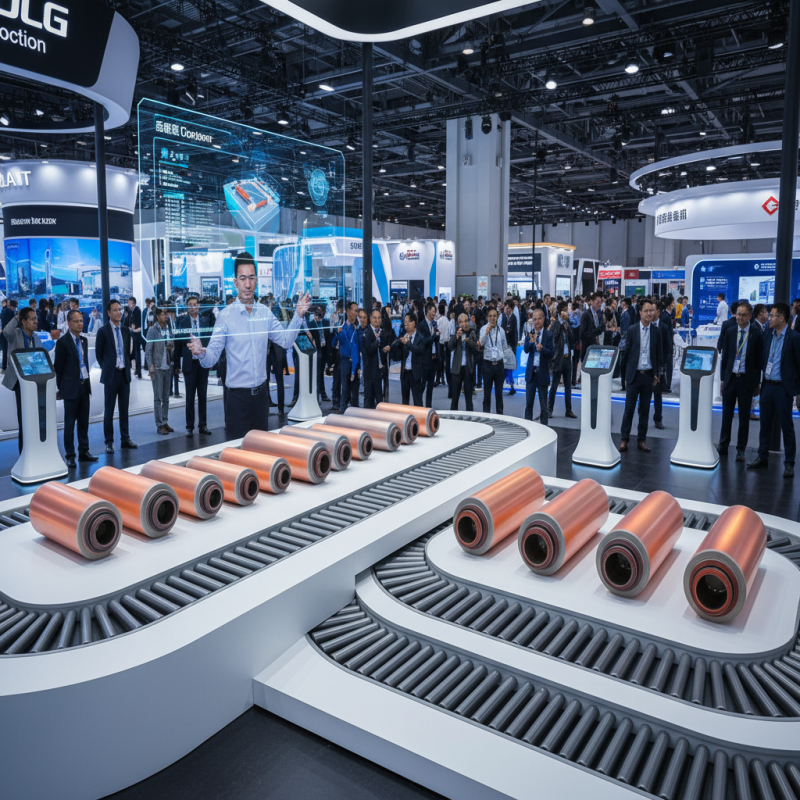
Navigating the vast 155,000-square-meter exhibition space will be no small task. However, with AI-driven navigation, participants will find a streamlined experience. Attendees may still face challenges in identifying the most suitable roller solutions for their needs. It raises questions about the balance between technology and personal interaction. How can the industry ensure that innovations are truly meeting user requirements?
Overview of High Temperature Conveyor Rollers Trends for 2026
High temperature conveyor rollers are gaining significant attention as industries require more resilient materials. These rollers can withstand extreme conditions and enhance operational efficiency. In 2026, trends indicate a shift towards more sustainable materials and innovative designs. Manufacturers are focusing on advanced composites that resist wear and heat. These developments promise better longevity and lower maintenance costs.
However, challenges remain. Not all manufacturers are adapting quickly enough to these trends. Some continue to rely on outdated materials that do not meet current demands. There is a noticeable gap between new technologies and traditional practices. This disparity can lead to inefficiency and increased downtimes.
Industry experts are advocating for more testing and certification processes. This could help ensure that new rollers meet stringent performance standards. Continuous education on high temperature applications is crucial. Engaging in workshops and seminars could address knowledge gaps. The industry must move towards embracing innovation while reflecting on existing practices.
Key Features to Look for in High Temperature Conveyor Rollers
When you visit the Canton Fair 2026, high temperature conveyor rollers will be a hot topic. Buyers should focus on essential features. The construction material is critical. Look for durable materials like stainless steel. It can withstand high heat without deforming. Also, check for resistance to wearing and tear. A sturdy roller will last longer and reduce maintenance.
Next, consider the roller's design. A smooth surface can prevent friction. This can help maintain the efficiency of the conveyor system. Additionally, pay attention to the weight capacity. Each roller must support its designated load under high temperatures. Don’t underestimate the importance of quality bearings too. They enable smooth operations, preventing any bottlenecks.
**Tips:** Always inspect the rollers before a purchase. Rough surfaces may indicate poor quality. Ask about warranty coverage as well. This can save costs in the long run. Finally, be aware of installation requirements. Installing a high temperature roller improperly can lead to early failures. Make a checklist of features that are crucial to your specific needs.
Top Manufacturers Showcasing Innovative Models at Canton Fair 2026
At the Canton Fair 2026, leading manufacturers are redefining high-temperature conveyor rollers. Many innovative models showcase advanced capabilities. These new designs promise improved durability and efficiency. The high heat resistance is essential for various industries, supporting processes like metal and glass handling.
One standout feature is the use of unique materials. These materials can withstand extreme temperatures. Some models offer adjustable speed settings. This versatility caters to different operational needs. However, not every model meets all expectations; some may struggle with long-term performance under constant strain. Innovations often come with trade-offs.
Visitors will see a mix of traditional and modern designs. Some roller types are quite heavy, which may limit flexibility. Others focus on lightweight options, but they might compromise strength. It remains vital for businesses to analyze their specific applications. Exploring these innovative models could lead to better operational efficiency. However, careful consideration is crucial for making informed decisions.
Comparative Analysis of Performance Metrics for Leading Rollers
At the Canton Fair 2026, high temperature conveyor rollers showcased impressive performance metrics. These rollers are designed to handle extreme conditions. Industry reports indicate that materials can withstand temperatures up to 300°C. This durability is crucial for operations in sectors like metallurgy and glass manufacturing.
A comparative analysis reveals variations in resistance and efficiency among leading rollers. Some products exhibit higher wear resistance, while others focus on operational efficiency. Research shows that rollers with composite coatings perform better in high-temperature applications. Yet, not all designs achieve optimal balance between durability and energy consumption.
Another factor to consider is maintenance. Even high-quality rollers may need regular checks. Some operators report that certain models require more upkeep than anticipated. This can lead to unexpected downtimes. Companies must evaluate the cost-to-performance ratio carefully. It’s vital to invest in technologies that ensure long-term reliability while managing operational costs effectively.
Future Developments in High Temperature Conveyor Technology and Design
The future of high temperature conveyor technology is evolving. As industries demand more durable solutions, new designs emerge. The focus is on materials that withstand extreme conditions. Innovations in heat-resistant plastics and alloys are guiding this transformation. These materials enhance the longevity of conveyor rollers, reducing maintenance costs significantly.
Tips: Consider the specific heat range your application requires. Not all materials offer the same level of resistance. Keep a close eye on emerging trends in materials science.
Additionally, automation is becoming vital. Smart sensors can monitor temperature in real-time. This can prevent overheating and failures. Data analytics will play a crucial role in optimizing conveyor performance. However, implementing these technologies can be challenging. Training staff may create initial resistance.
It's essential to analyze how these advancements fit your operation. A clear understanding of your workflow can streamline integration. Sometimes, adopting new tech takes time and a willingness to adapt.