Top 10 Plastic Injection Tooling Techniques for Global Buyers?
In today’s competitive market, plastic injection tooling techniques play a crucial role in manufacturing efficiency. Understanding these techniques is vital for global buyers seeking high-quality production methods. This article examines the top 10 plastic injection tooling techniques that can enhance production capabilities.
Plastic injection tooling encompasses various methods that streamline the manufacturing process. Each technique has unique advantages, impacting everything from cost to quality. Global buyers must consider factors such as durability and precision when selecting tooling options. Exploring these techniques deepens one’s understanding of their influence on the final product.
However, navigating the complexities of plastic injection tooling isn't always straightforward. Some techniques may not yield expected results. Buyers should be aware of potential pitfalls and challenges. Investing time in learning about these processes can ultimately lead to better decision-making. This exploration encourages reflection on the continuous improvement of plastic injection tooling practices.
Introduction to Plastic Injection Tooling Techniques
Plastic injection tooling techniques play a pivotal role in the manufacturing sector. These techniques are essential for producing high-quality plastic parts. In 2022, the global plastic injection molding market reached approximately $246 billion and is forecasted to grow at a CAGR of 4.5% through 2030. This growth highlights the increasing demand for efficient production techniques.
Understanding these methods can be challenging. Some buyers may overlook critical factors like mold design and material selection. Proper mold design can impact production cycles and the overall quality of the finished product. Research shows that innovative tooling can reduce production costs by up to 20%. Adopting advanced materials like aluminum and high-strength steels can enhance mold longevity and precision.
Practicing patience during the tooling process is crucial. Iterative design and prototyping can significantly improve the final product. Gathering feedback from engineers and testing prototypes can save time and resources. Engaging in this reflective process often leads to better solutions. The industry continues to evolve, urging buyers to stay informed about emerging trends and technologies in injection tooling. Investing in continuous education can yield significant returns in the long run.
Key Considerations for Selecting Injection Tooling Techniques
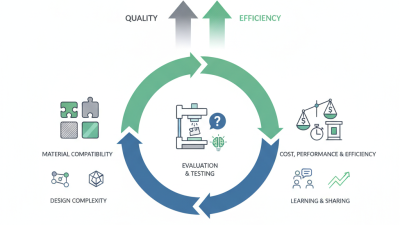
Selecting the right injection tooling technique requires careful consideration of several factors. First, assess the complexity of the parts you intend to produce. Intricate designs may require advanced tooling techniques, which can increase costs and lead times. Look into the material you will use for the parts as well. Different plastics demand varied tooling approaches.
Additionally, evaluate the production volume. High volumes often justify investing in more sophisticated tooling; however, lower production runs may benefit from simpler, less expensive techniques. This may lead to overengineering if not analyzed properly. Next, consider the precision required. Precision tooling can significantly enhance part quality but may introduce higher upfront costs.
Keep in mind the long-term implications of your choice. Maintenance and durability of tooling can impact your overall production efficiency. A technique that seems ideal at first glance might have hidden costs during operation. Engaging with experienced professionals in the industry can provide insights that are not always readily available. Their expertise may help uncover potential pitfalls. Balancing these factors is crucial for successful injection tooling selection.
Top Techniques for Optimizing Cost Efficiency in Tooling
Cost efficiency in plastic injection tooling is crucial for global buyers aiming to maximize profitability. According to the 2022 Global Plastic Injection Molding Market report, tooling costs can account for up to 40% of the total production expenses. By utilizing advanced materials and processes, businesses can significantly reduce these costs. For instance, employing aluminum tooling can lead to lower initial expenses, while polycarbonate and steel options may enhance durability and longevity.
Incorporating simulation software into the design phase is another effective technique. This approach can predict potential issues early, reducing the need for costly revisions later. Research indicates that companies using simulation methods experience a 30% decrease in development time. However, embracing this technology requires an upfront investment and skill development. Some firms struggle with adoption due to resource constraints.
Moreover, optimizing production cycles is vital. Adjusting cycle times can lead to substantial savings. Data from industry analyses shows that companies consistently optimizing their processes can reduce cycle times by 20-30%. This benefits both productivity and cost management. Yet, it is essential to balance speed with quality, as cutting corners may result in higher rejection rates. Finding this equilibrium can be challenging.
Innovative Materials and Their Impact on Injection Tooling
Innovative materials are reshaping the landscape of plastic injection tooling. The selection of materials used can significantly influence the efficiency and cost-effectiveness of manufacturing processes. For instance, advanced polymers offer enhanced strength and durability, which can reduce the frequency of tool replacements. This shift to high-performance materials, however, also raises concerns about compatibility and processing challenges.
One emerging trend is the use of bio-based plastics. These materials, derived from renewable resources, present a sustainable alternative to traditional petrochemical options. Their incorporation into injection tooling can lead to lower environmental impact. Still, there are uncertainties regarding their performance under various manufacturing conditions. Testing and adaptation are crucial steps in implementing these materials effectively.
Furthermore, innovative coatings and surface treatments play a vital role. They help improve wear resistance and reduce friction, extending the lifespan of injection molds. However, not all coatings perform equally well with every type of plastic. This can lead to unexpected results if not carefully evaluated. Buyers must weigh the benefits against potential risks, focusing on reliability and performance in real-world applications.
Future Trends in Plastic Injection Tooling for Global Markets
In the evolving landscape of plastic injection tooling, several future trends are surfacing that buyers must consider. Advanced technologies, such as automation and artificial intelligence, are set to enhance production efficiency. These innovations can streamline processes and reduce human error, leading to higher precision and consistency in the final products. However, integrating these advanced tools can be daunting and often requires a shift in company culture.
Sustainability continues to gain ground in the plastic industry. Buyers are increasingly seeking solutions that minimize environmental impact. This includes using recycled materials and implementing eco-friendly practices in manufacturing. Achieving sustainability can be challenging, especially with existing supply chains and customer expectations.
Investing in training and development is crucial. As technologies evolve, so do the skills needed to operate them effectively. Workers must adapt to new tools and methods. Encouraging lifelong learning fosters innovation and resilience. By doing so, businesses can remain competitive and responsive to market changes. Exploring these avenues now can prove beneficial in navigating the complexities of the global market.
Top 10 Plastic Injection Tooling Techniques for Global Buyers