Top 10 Surface Finishing Tips for Perfect Results?
Surface finishing is an art that significantly impacts quality and aesthetics. Expert Mark Robinson of Finishing Solutions once said, “The right surface finishing brings out the hidden beauty of materials.” This highlights the importance of choosing the best techniques for desired results.
In the world of surface finishing, details matter. A subtle change can transform the final look of a product. Many in the industry often overlook the preparation phase, thinking it is less critical. However, proper preparation leads to smoother surfaces and better adhesion for subsequent layers. It’s a point worth reflecting upon.
Additionally, every material presents unique challenges. Each has its ideal finishing process. Understanding these nuances can prevent costly mistakes. Inconsistent finishes may result from inadequate techniques or tools. A well-rounded approach to surface finishing incorporates experimentation and learning from imperfect results. Embracing this mindset leads to continuous improvement and mastery in the field.
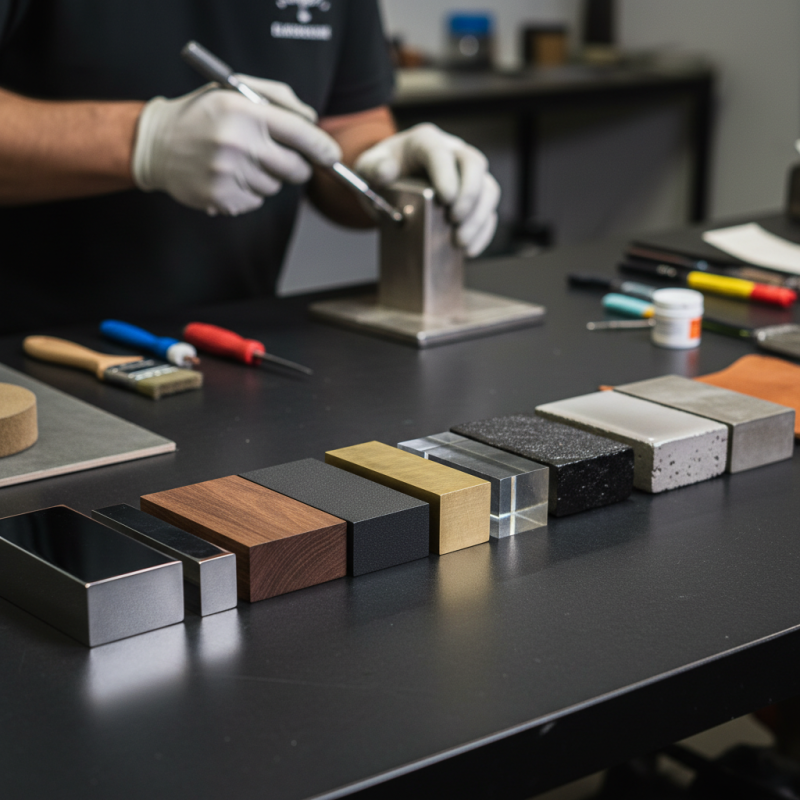
Understanding Surface Finishing and Its Importance in Various Industries
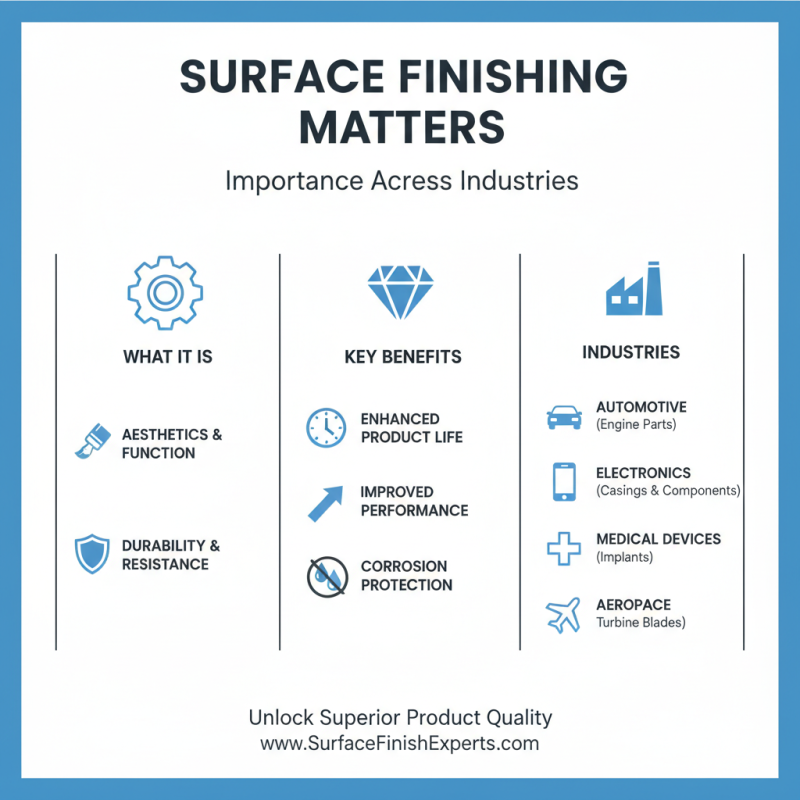
Surface finishing plays a crucial role in many industries. It affects the aesthetics and functionality of products. From automotive parts to consumer electronics, a proper finish enhances durability and resistance. Understanding different finishes can lead to impressive results.
When working on surface finishing, consider these tips. Always start with a clean surface. Dirt and grease can lead to unsatisfactory outcomes. Use the right tools and materials for each specific finish. Experimenting can lead to unexpected results, both good and bad.
Another essential factor is to test your process. Small samples can save time and resources. Adjust your technique based on these tests. It's easy to overlook imperfections in tighter spaces. Patience is key, especially in complex finishes. Reflect on past experiences to improve future projects. Each step matters in achieving the perfect finish.
Choosing the Right Surface Finish Material for Your Project
Choosing the right surface finish material is crucial for any project. The finish impacts both aesthetics and functionality. Recent studies show that 70% of customers judge products based on surface quality. This statistic emphasizes the need for careful selection.
Materials vary widely. Metals, plastics, wood, and composites all require different finishing techniques. For instance, anodizing aluminum improves durability and corrosion resistance. In contrast, applying a clear coat on wood enhances its natural beauty but doesn't protect against moisture. Each material presents unique challenges that need attention.
Some common mistakes can occur during the selection process. Ignoring environmental factors often leads to premature wear. For instance, using a finish unsuitable for outdoor conditions can result in peeling and fading. Regular reviews and adjustments are necessary to ensure quality outcomes. Engaging in trial and error can also teach valuable lessons. Embracing imperfection leads to better decision-making in future projects.
Step-by-Step Guide to Preparing Surfaces for Finishing
Preparing surfaces for finishing is a critical step in achieving great results. A smooth surface ensures better adhesion of finishes, which can lead to durability and aesthetic appeal. According to a report by the American Coatings Association, the right preparation can enhance finish longevity by up to 30%. This statistic highlights the importance of taking time to prepare properly.
Surface preparation often involves cleaning, sanding, and priming. Each step should not be rushed. Cleaning removes grease and dirt, often overlooked. Sanding creates a texture for better adherence but can lead to uneven surfaces if done hastily. Many professionals recommend a grit range between 120 to 220 for optimal results. Skipping this can result in peeling or bubbling in the finished product.
Another area where mistakes happen is the priming phase. Some might think it’s unnecessary, but proper priming can seal the surface. This minimizes any imperfections from showing through. Data reveals that nearly 50% of finishing failures are linked to inadequate preparation. It's essential to reflect on these aspects during your preparation phase to avoid disappointment.
Top 10 Surface Finishing Tips for Perfect Results
Techniques for Achieving Smoothness and Uniformity in Finishing
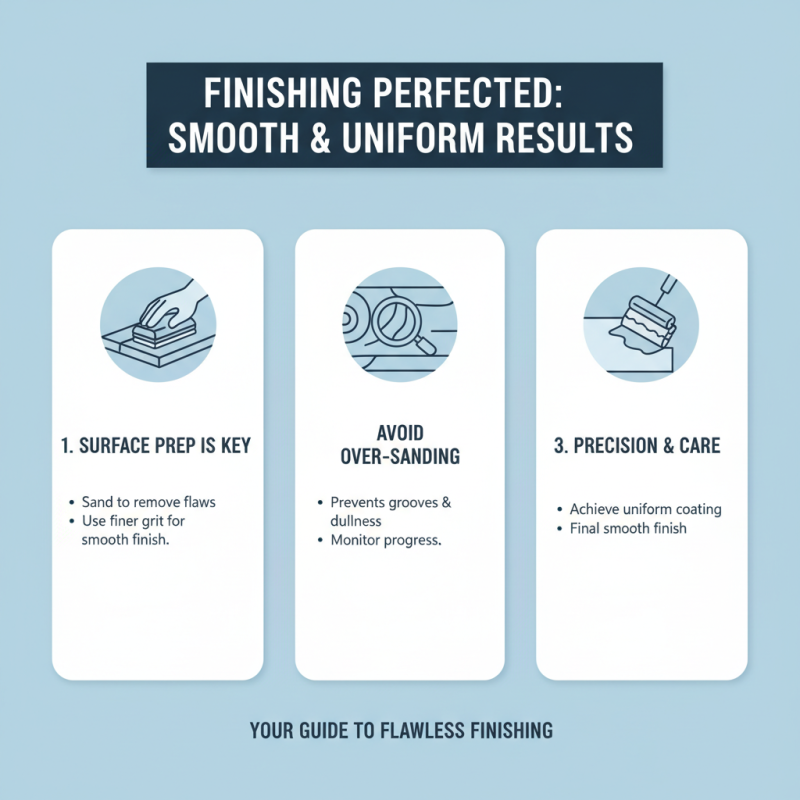
Achieving smoothness and uniformity in finishing requires precision and careful attention. First, surface preparation is crucial. Sanding can help remove imperfections. Use finer grit sandpaper for a smoother surface. However, over-sanding can lead to unwanted grooves or a dull finish. Monitor your progress closely to avoid these pitfalls.
Another essential technique involves choosing the right finishing materials. The wrong product can create inconsistencies. Test different finishes on scrap materials to see how they behave. Be aware that humidity and temperature can impact drying times. A finish that looks perfect wet may reveal flaws once dry.
Lastly, applying finishes in thin, even coats is key to avoiding run-offs. Thin is better; too much product can create drips. If you notice uneven spots, it may require additional sanding and touch-ups after the first coat dries. Don’t rush this step; it’s often where problems arise. Take your time to ensure an optimal outcome.
Common Mistakes to Avoid for Flawless Surface Finishing Results
Surface finishing requires precision and care. Common mistakes often lead to disappointing results. One major mistake is skipping the surface preparation. Ignoring flaws, dust, and debris can ruin the finish. Always clean the surface thoroughly before you start. A clean base is essential for a good outcome.
Another frequent issue is using the wrong tools. Using worn-out or incorrect sanding pads can lead to uneven surfaces. Take time to choose the right tools for your project. Experiment with different techniques to find what works best. Rushing through the process can also cause problems. Patience is key in achieving a flawless finish.
Overlooking drying times is yet another error. If you apply a topcoat too soon, you risk smudges and streaks. Allow each layer to dry fully before proceeding. Additionally, don’t underestimate the importance of environmental conditions. Temperature and humidity can significantly impact your results. Be aware of your surroundings, as they may affect your project’s success.
Top 10 Surface Finishing Tips for Perfect Results
| Tip Number |
Surface Finishing Tip |
Common Mistake to Avoid |
| 1 |
Select the Right Material |
Using the wrong type of material for the finish |
| 2 |
Proper Surface Preparation |
Neglecting to clean and prepare the surface adequately |
| 3 |
Use the Right Tools |
Using inappropriate tools for finishing |
| 4 |
Control the Environment |
Ignoring humidity and temperature effects on finishes |
| 5 |
Follow Instructions Carefully |
Not reading manufacturer instructions |
| 6 |
Test on Small Area First |
Skipping test applications |
| 7 |
Proper Drying Time |
Rushing the drying process |
| 8 |
Use the Right Technique |
Applying finish with the wrong technique |
| 9 |
Inspect Regularly |
Failing to check for defects during the process |
| 10 |
Maintain Equipment |
Neglecting tool maintenance |