Top Tips for Choosing the Right Odm Ball Valve for Your Needs?
Choosing the right Odm Ball Valve is essential for efficient fluid control in various industries. The global ball valve market size was valued at approximately $12.7 billion in 2021 and is projected to grow significantly. This growth reflects the increasing demand for reliable and durable valves in oil and gas, water treatment, and manufacturing sectors. ODM ball valves play a crucial role in ensuring smooth operations.
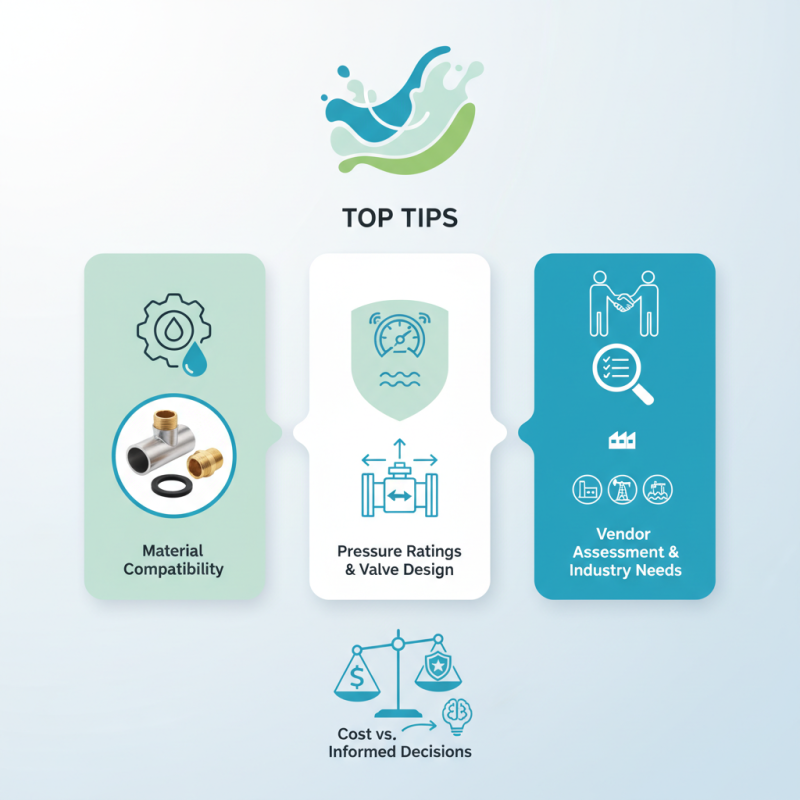
However, selecting an ODM ball valve can be complex. Various factors, such as material compatibility, pressure ratings, and valve design, must be considered to meet specific application needs. Many users overlook the importance of precision in these aspects, potentially leading to costly operational failures. It is essential to strike a balance between cost and quality.
Industry professionals emphasize the need for proper vendor assessments. Reliability and performance vary widely among manufacturers. A poor choice may result in inadequate performance or safety hazards. Therefore, thorough research and expert consultations are invaluable in making informed decisions when choosing ODM ball valves.
Key Considerations for Selecting an ODM Ball Valve Based on Application
When selecting an ODM ball valve, understanding its application is crucial. Different applications will impose unique demands on the valve materials and configurations. For instance, a valve used in a high-pressure gas line requires different specifications than one utilized in water systems. According to a recent market report, more than 35% of industries face issues due to improper valve selection, resulting in costly downtime.
Material selection is another key consideration. Valves made from stainless steel offer strength and rust resistance, making them ideal for corrosive environments. In contrast, plastic valves can serve well in low-pressure applications. A technical study indicated that 50% of failures in fluid control systems are linked to material incompatibility. Be mindful of the operating temperatures and chemical characteristics of the fluids involved, as these factors can significantly influence performance.
Size and type are often overlooked yet vital elements. An incorrectly sized ball valve can lead to flow restrictions and performance inefficiencies. Not all valves fit every system. Manufacturers often provide guidelines, yet gaps in understanding can lead to mismatches. It’s essential to gather accurate flow rate data and pressure specifications during your selection process. An estimated 30% of operations fail to account for changing operational conditions, underscoring the need for thorough analysis.
Understanding the Different Types of ODM Ball Valves and Their Features
When choosing ODM ball valves, understanding their types and features is crucial. There are several types of ball valves, each designed for specific applications. A floating ball valve is commonly used for low-pressure systems. It relies on the pressure of the fluid to keep the ball in place. This design can lead to leaks if not properly maintained.
Another type is the trunnion-mounted ball valve. This variant is better suited for high-pressure applications. It has a fixed ball, which provides better stability. However, it can be bulkier and more expensive. Users must consider their system's pressure requirements before deciding.
Material types also play a significant role. Stainless steel offers excellent corrosion resistance, while plastic valves are lighter and easier to install. Each choice comes with trade-offs. For instance, plastic could be less durable under extreme conditions. Decisions in valve selection could greatly impact system efficiency and longevity.
Top Tips for Choosing the Right ODM Ball Valve for Your Needs
This chart presents the popularity index of different types of ODM ball valves based on user preferences. Each type is rated on a scale from 1 to 10, indicating its popularity among users seeking specific features and benefits.
Material Selection: Best Practices for Durability and Performance
When selecting the right ODM ball valve, material choice is crucial. The valve body material impacts both durability and performance. Common options include stainless steel, brass, and plastic. Stainless steel resists corrosion well, making it ideal for harsh environments. Brass offers good strength and is suitable for water systems. Plastic valves are lightweight but may not hold up under high pressures.
Consider operating conditions when making your selection. High temperatures can weaken some materials. For instance, a plastic valve may deform in high heat. It’s essential to assess chemical compatibility too. Certain chemicals can corrode or degrade materials, which can lead to valve failure. Look for materials specifically designed for H2O or chemicals you will use.
Testing different materials in specific contexts can lead to better decisions. What works for one situation may not for another. Conduct experiments to see how different materials perform under stress. Finding the right fit takes time and reflection. Not all suppliers provide the same information. Engage with knowledgeable professionals for reliable guidance.
Evaluating Pressure and Temperature Ratings for Optimal Performance
Choosing the right ODM ball valve is crucial for performance and safety. One of the main considerations is the valve's pressure and temperature ratings. These ratings dictate how the valve will perform in your specific application. According to industry insights, over 30% of valve failures occur due to improper rating selection. Understanding these specifications can enhance reliability.
When evaluating a ball valve, check the maximum pressure it can handle. Valves are usually rated in psi or bar, with typical ratings ranging from 150 to 1500 psi. High-pressure applications need valves with higher ratings. Temperature rating is equally vital. Most ball valves can operate from -20°F to 450°F. Exceeding these limits may lead to failure.
Tip: Always consult manufacturer guidelines. Look for specific data on pressure and temperature limits. This can help avoid costly errors.
Ensure compatibility with your system. Mismatching ratings can cause leaks or worse. Pay attention to the fluid medium as well. Some materials degrade faster under certain conditions. Regular maintenance checks can prevent unexpected breakdowns. Balancing these factors ensures optimal performance and durability.
Industry Standards and Certifications to Look for in ODM Ball Valves
When selecting ODM ball valves, industry standards and certifications are crucial. These establish quality, safety, and reliability in various applications. Look for valves that meet ISO, ASME, or API standards. These certifications verify that the product has undergone rigorous testing and adheres to specified criteria.
Understanding material certifications can also impact decision-making. For instance, valves made from durable materials can withstand harsh environments. Verify that the materials comply with ASTM standards. This is essential for applications involving high pressure or corrosive substances.
Always consider the valve’s testing certifications. Pressure tests and leak tests ensure functionality under operational conditions. Ensure these tests are conducted by a reputable third party. Regularly review the certification validity, as standards evolve. This mindful approach can prevent costly failures down the line.