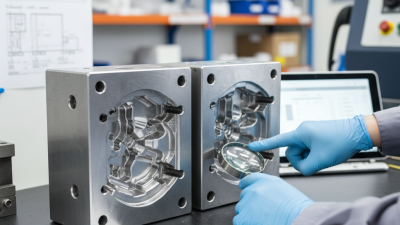




Choosing among the top plastic injection tooling manufacturers requires more than comparing websites or advertised prices. A reliable supplier must prove its ability to build accurate molds, manage complex materials, and maintain consistent production quality. The best manufacturers usually combine experienced toolmakers, modern machining centers, inspection systems, and disciplined project management. Their work should also show clear evidence, including sample parts, dimensional reports, mold trials, and customer references.
John Bozzelli, a respected injection-molding consultant and founder of Scientific Molding, has stated, “The mold is the heart of the injection molding process.” That principle remains highly relevant. A well-designed mold can reduce flash, warping, cycle delays, and costly maintenance. Poor tooling can create problems that no machine setting fully corrects. Small details matter. Gate location, cooling channels, steel selection, and venting can change the final result.
This guide examines leading plastic injection tooling manufacturers through practical criteria, not marketing claims alone. It considers technical capability, tooling materials, design support, quality control, delivery performance, and after-sales service. Some manufacturers excel at automotive molds, while others specialize in medical, consumer, or high-volume packaging applications. No ranking is flawless. Supplier performance can vary by project, region, and communication quality. That limitation deserves attention. A manufacturer with impressive equipment may still struggle with documentation or design changes. Readers should compare verified capabilities, request recent case studies, and assess how each supplier handles real production risks.
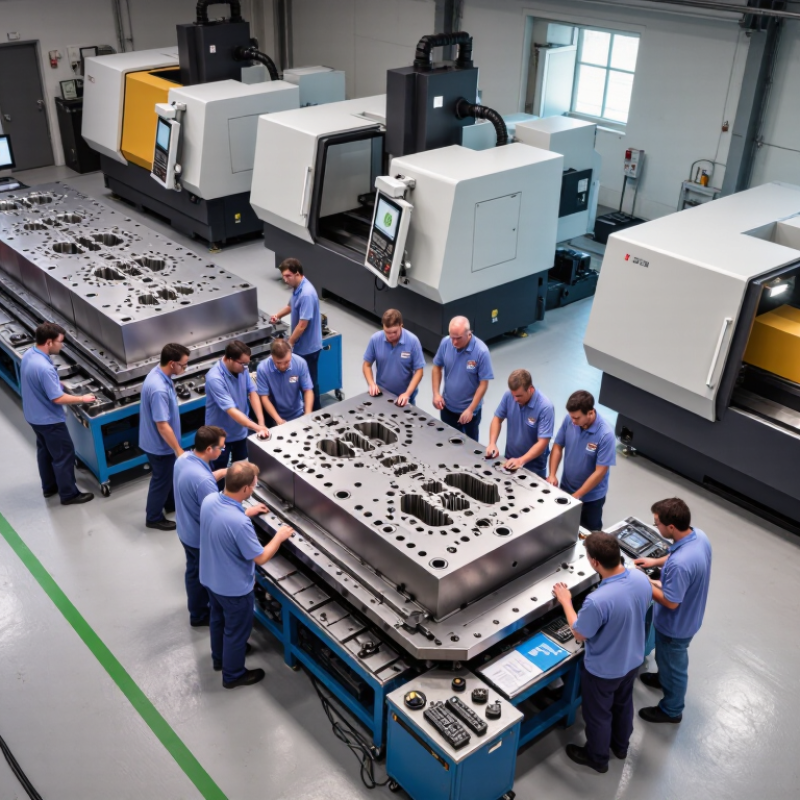
Plastic injection tooling is the mold system that shapes molten polymer under controlled pressure. Common designs include single-cavity, multi-cavity, family, stack, and insert molds. A single cavity suits prototypes or modest volumes. Multi-cavity tools improve output, but they demand balanced filling and precise cooling. Hot-runner systems reduce runner waste, while cold-runner designs may simplify maintenance. Every choice affects cost, cycle time, part consistency, and future repairs.
Tool materials should match production expectations. Aluminum molds machine quickly and work well for short runs. Pre-hardened steel offers better wear resistance for medium production. Hardened tool steel is often selected for demanding applications exceeding 1M cycles. That rating is not automatic. Resin abrasiveness, injection pressure, poor cooling, and weak maintenance can shorten mold life. Small details matter: polished cavities, replaceable inserts, vent depth, and evenly drilled cooling channels. A few degrees of cooling imbalance can leave visible sink marks or warped edges.
When comparing top manufacturers, review measurable evidence rather than polished claims. Request mold-flow analysis, dimensional inspection reports, steel certificates, trial-shot records, and a documented maintenance schedule. Ask how the supplier controls flash, gate vestiges, and cavity pressure variation. Cycle guarantees deserve careful questioning. They may assume ideal resin, stable machines, and regular servicing. That is not always realistic. A capable manufacturer explains limitations clearly and supports design changes before steel is cut. The best tooling decision may still need revision after the first production trial.
The strongest plastic injection tooling manufacturers are not ranked by certificates alone. They are ranked by how well their systems control design, machining, testing, and delivery. ISO 9001 provides the broadest foundation. It should cover revision-controlled drawings, material traceability, inspection records, corrective actions, and supplier management. During an audit, buyers should request a recent CMM report, steel certificate, and mold trial record. Details matter.
ISO 13485 becomes more important for medical tooling projects. It emphasizes risk management, documented changes, validation, cleanliness controls, and complete production records. The certificate should match the manufacturer’s actual scope, not simply appear on a website. A tool may look excellent, yet weak change control can create serious production uncertainty. That is easy to miss.
IATF 16949 carries strong weight in automotive tooling because it supports defect prevention and process discipline. Look for APQP experience, measurement system analysis, process capability data, and structured supplier controls. A manufacturer using these methods can better manage tight tolerances, repeated mold trials, and launch pressure. Still, certification does not prove perfect tooling. I have seen impressive documentation paired with avoidable fitting problems. Ask how the team handles flash, cooling imbalance, or cavity mismatch after a trial. Their response often reveals more than the certificate.
Choosing among top plastic injection tooling manufacturers requires more than a polished website. Precision begins with verified tolerances, stable steel treatment, and repeatable machining. Ask for CMM reports, cavity balance data, and samples from recent production tools. A capable maker can explain flash limits, shrinkage allowances, and cooling performance clearly. In my experience, the best discussions include failures too. A tooling team describing a warped trial part may be more trustworthy than one promising perfection.
Capacity must match the program, not merely impress the buyer. Review machine sizes, maximum mold dimensions, cavity counts, maintenance resources, and realistic delivery windows. A high-capacity factory may handle large automotive molds, while a smaller specialist may produce tighter medical or micro-component tools. Industry focus matters because each sector has different validation needs. Packaging often prioritizes cycle speed and cost. Medical applications demand traceability and repeatability. Electronics may require fine textures, thin walls, and careful gate design. Certifications help, but current process evidence matters more.
Tips: Request a trial report, tool-life estimate, spare-part plan, and corrective-action record. Compare quoted cycle times with observed molding data. Keep one technical contact on both sides. Small communication gaps can become expensive changes.
Top tooling manufacturers should be judged by measured performance, not polished catalogs. For demanding molds, ±0.01 mm sounds precise, but it is not automatically realistic. ISO 20457 separates mold tolerances from molded-part tolerances, which purchasing teams often confuse. Steel grade, shrinkage, temperature control, and measurement methods can change the result. Request CMM data for cavity inserts and first-article parts. Repeatability matters more than one perfect sample. That detail is often missed.
Cycle time should be recorded by stage: filling, packing, cooling, and mold opening. A shorter cycle is valuable only when dimensions remain stable. The Society of Plastics Industry mold classification places Class 101 tooling above 1,000,000 cycles. Class 103 tooling generally supports fewer than 500,000 cycles. These figures are useful benchmarks, not guarantees. A 2024 plastics industry outlook also highlights productivity and automation as major competitiveness drivers. Still, a supplier may optimize speed while quietly reducing cooling safety margins. I would question that trade-off.
Tips: Ask for a capability study at ±0.01 mm, including temperature and measurement uncertainty. Compare cycle-time logs across several production runs. Check the mold-life class against projected annual volume. Also inspect repair records, spare inserts, and preventive-maintenance intervals. A flawless sample proves little. Real production is less tidy.
The best plastic injection tooling manufacturer is not always the cheapest. Lead time often decides project success. A 2024 Grand View Research analysis valued the global injection molding plastics market at over USD 300 billion, increasing pressure on toolmakers to deliver faster. Ask for a detailed timeline covering design approval, steel cutting, first trial, and final acceptance. A ten-day delay can disrupt production schedules and customer launches.
Tonnage must match the part, resin, mold size, and expected clamping force. Oversized equipment may raise hourly costs without improving quality. Cost comparisons should include steel grade, hot-runner systems, engineering changes, sampling, maintenance, and freight. The Plastics Industry Association reports that U.S. plastics machinery shipments remain strongly linked to manufacturing investment, so capacity and service support matter. A low quotation can become expensive after repeated corrections. I have seen this happen.
Tips: Request a cavity-pressure study and a written acceptance standard. For a 1M-cycle ROI, calculate total ownership cost, not mold price alone. Include cycle time, scrap, preventive maintenance, spare inserts, and downtime. A tooling study from the European Association of Plastics Recycling and Recovery Organisations highlights how design choices affect material efficiency, but recyclability can conflict with cosmetic requirements. Test that trade-off early. Also ask for mold-flow results, steel certificates, and references for similar tonnage. Perfect forecasts are rare. Build a contingency budget of 10–15%.
| Anonymous Manufacturer Profile | Typical Tooling Focus | Common Press Tonnage Capability | Typical Lead Time | Indicative Tool Cost (USD) | Expected Tool Life | Estimated 1M-Cycle ROI Suitability | Best Fit |
|---|---|---|---|---|---|---|---|
| Rapid Prototype Toolmaker | Aluminum or soft-steel molds for design validation and short production runs | 50–500 tons | 2–5 weeks | $3,000–$25,000 | Approximately 10,000–100,000 cycles, depending on material and maintenance | Low; usually unsuitable for a full 1M-cycle production requirement | Fast market testing, prototype parts, engineering validation |
| Standard Production Mold Builder | Single-cavity and multi-cavity steel molds for general industrial components | 100–1,500 tons | 6–12 weeks | $15,000–$90,000 | Approximately 300,000–1,000,000 cycles with suitable tool steel and preventive maintenance | Medium to high; generally appropriate when annual volume is stable | Consumer products, industrial parts, appliance components |
| High-Cavitation Production Specialist | Multi-cavity molds, hot runners, balanced filling systems, and automated ejection | 150–2,000 tons | 10–18 weeks | $60,000–$250,000+ | Approximately 1,000,000–5,000,000 cycles when engineered and maintained correctly | High; the higher upfront cost can be offset by lower piece-part tooling cost | High-volume packaging, closures, medical disposables, consumer goods |
| Precision Medical and Technical Toolmaker | Tight-tolerance molds, validated processes, cleanroom-compatible tooling, and engineering documentation | 50–1,000 tons | 12–24 weeks | $50,000–$300,000+ | Approximately 1,000,000–3,000,000 cycles, subject to resin, tolerance, and validation requirements | High when compliance, repeatability, and downtime avoidance are prioritized | Medical devices, laboratory products, technical housings, precision components |
| Large-Part Automotive and Structural Toolmaker | Large molds, Class-A surfaces, gas-assist or sequential molding support, and complex cooling layouts | 800–4,000+ tons | 16–30 weeks | $100,000–$750,000+ | Approximately 500,000–1,500,000 cycles, depending on part size, resin, and surface requirements | Medium to high; ROI depends heavily on vehicle program volume and mold utilization | Automotive panels, large housings, structural parts, industrial enclosures |
| Regional Full-Service Tooling Partner | Design for manufacturability, mold construction, sampling, maintenance, and production support | 100–2,500 tons | 8–20 weeks | $25,000–$180,000 | Approximately 300,000–2,000,000 cycles, depending on the selected steel grade and design | Medium to high; service responsiveness can reduce downtime and lifecycle cost | Buyers needing local engineering support, trials, repairs, and process assistance |