





Top 10 Surface Finishing Processes in China for Global Buyers?
In today's competitive market, the demand for high-quality surface finishing processes is on the rise. Global buyers increasingly seek reliable methods that enhance product performance and aesthetics. China has emerged as a leader in surface finishing technologies, offering a variety of options that cater to diverse industries.
The surface finishing process is crucial in manufacturing, impacting everything from corrosion resistance to visual appeal. Techniques such as electroplating, anodizing, and powder coating play vital roles in ensuring products meet stringent quality standards. However, navigating these processes can be complex, as each method has its advantages and limitations.
Buyers must consider factors like cost, environmental impact, and surface durability. Understanding these intricacies fosters informed decisions. While many companies provide surface finishing services, not all meet the same level of expertise. Therefore, continuous evaluation of suppliers is essential for optimal outcomes. Buyers should reflect on their experiences as they seek reliable partners in this field.
Overview of Surface Finishing Processes in China
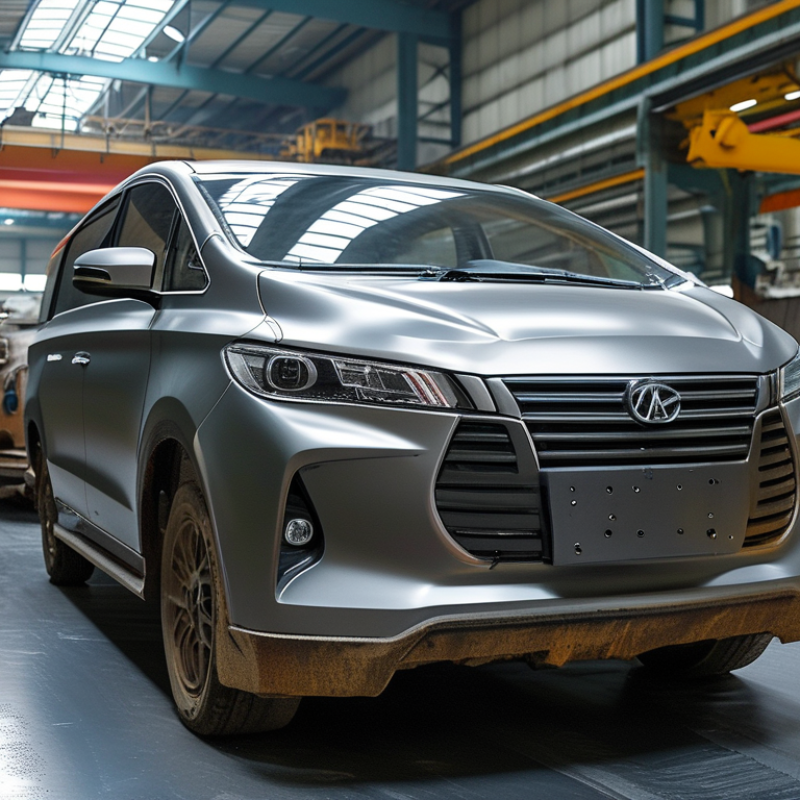
China has become a leader in surface finishing processes, catering to various industries. These processes include polishing, anodizing, and electroplating. Each method enhances the functionality and aesthetics of materials. Polishing is essential for achieving a smooth surface, often used in metal parts to prevent corrosion. Anodizing, primarily applied to aluminum, provides a protective oxide layer. This makes it durable and visually appealing.
Many manufacturers face challenges when selecting the right finishing process. Cost, environmental impact, and quality are pivotal factors. Not all processes may meet the high standards of global buyers. Some techniques may also produce waste that requires careful disposal. Furthermore, insufficient knowledge about each process can lead to subpar results.
Innovation is critical in surface finishing. Many companies are investing in new technologies to improve efficiency. However, these advancements can sometimes overlook traditional methods that have proven effective. Balancing new techniques with established practices remains a key reflection point for manufacturers. Overall, while China offers a diverse range of surface finishing options, continuous improvement is vital for meeting global demands.
Top 10 Surface Finishing Processes in China for Global Buyers
| Process | Description | Applications | Advantages |
|---|---|---|---|
| Electroplating | A process that uses electrical current to plate metal onto a surface. | Automotive, electronics, jewelry. | Improves corrosion resistance, enhances aesthetics. |
| Powder Coating | A dry finishing process that applies a protective and decorative layer. | Furniture, appliances, automotive parts. | Durable finish, eco-friendly. |
| Anodizing | An electrochemical process that converts the surface of a metal into an anodic oxide finish. | Aerospace, architectural components. | Corrosion protection, color variety. |
| Sandblasting | A process that propels abrasive material against a surface to clean or prepare it. | Metal surface preparation, cleaning. | Effective cleaning of surfaces, etching designs. |
| Polishing | A process that uses abrasives to smooth a surface to a shine. | Jewelry, optics, automotive finishes. | Enhances appearance, reduces friction. |
| Chemical Treatment | Involves the use of chemicals to change surface properties. | Manufacturing, aerospace parts. | Improves adhesion, corrosion resistance. |
| Laser Treatment | Uses lasers to alter the surface properties of materials. | Medical devices, automotive components. | Precision, minimal damage to substrate. |
| Galvanization | Coating iron or steel with a layer of zinc. | Construction, outdoor equipment. | Corrosion resistance, cost-effective. |
| Vapor Deposition | A process where materials are deposited on a substrate in vapor form. | Semiconductors, optics. | Thin films, uniform coverage. |
| Electropolishing | An electrochemical process to polish metal surfaces. | Pharmaceutical, food industries. | Enhances cleanliness, reduces friction. |
Related Posts
-
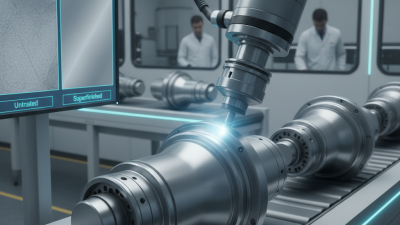
Why is Surface Finishing Process Essential for Product Quality?
-

Top 10 Surface Finishing Processes for Global Buyers?
-
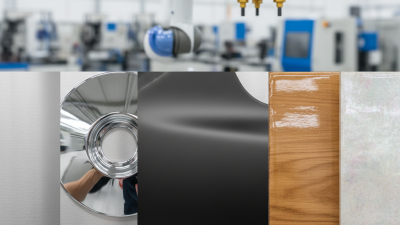
Top Surface Finishing Techniques for Enhanced Product Quality?
-
What are the benefits of using plastic injection mold in manufacturing?
-
What is a Plastic Injection Mold and How Does It Work?
-
How to Choose the Right Bevel Gears for Your Precision Engineering Needs