China Top 10 Surface Finishing Types for Global Buyers
China’s manufacturing sector offers a broad range of surface finishing options for global buyers. These finishes support consumer electronics, automotive parts, lighting products, medical equipment, and architectural hardware. The right choice affects appearance, corrosion resistance, dimensional accuracy, and production cost.
This guide examines China’s top 10 surface finishing types, including anodizing, electroplating, powder coating, polishing, brushing, sandblasting, PVD coating, electrophoresis, passivation, and chemical conversion coating. Each process leaves a different visual and functional result. A brushed aluminum panel feels directional and refined. A powder-coated steel frame offers a thicker protective layer. A polished stainless-steel component reflects light sharply.
Details matter.
Experienced buyers should review alloy compatibility, coating thickness, color consistency, salt-spray performance, and inspection methods. Supplier experience also deserves close attention. A factory may produce attractive samples but struggle with large-batch consistency. That gap can create costly rework. I have seen specifications appear complete while omitting masking areas, edge coverage, or acceptable color variation.
This overview uses practical purchasing considerations rather than simple visual comparisons. It discusses typical applications, advantages, limitations, and quality checkpoints for each finish. However, no process is universally superior. Environmental exposure, handling conditions, budget, and design tolerances must guide the decision. Buyers should request samples, process records, and test reports before approving mass production. Small tests prevent larger surprises.
What Surface Finishing Means in Industrial Manufacturing
China Top 10 Surface Finishing Types for Global Buyers
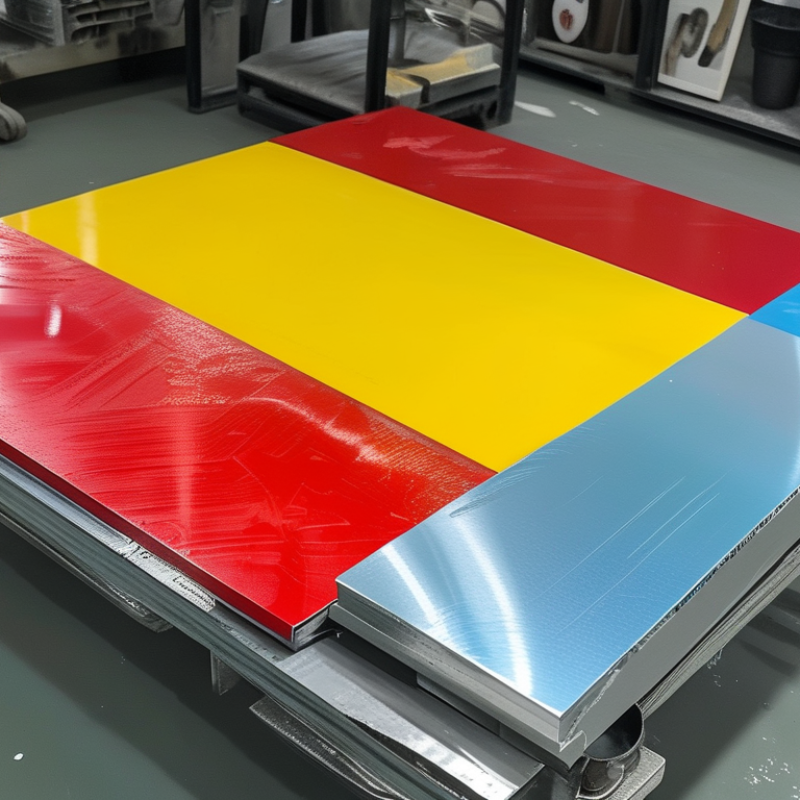
Surface finishing means changing a component’s outer layer to improve performance, appearance, or both. It is not simply a final decorative step. The chosen finish can influence corrosion resistance, friction, hardness, cleanability, and dimensional accuracy.
Common industrial options include anodizing, electroplating, powder coating, liquid painting, polishing, brushing, sandblasting, passivation, PVD coating, and electroless nickel plating. Each process suits different materials and working conditions. Anodizing is widely used for aluminum housings, while passivation protects stainless steel after machining. Electroless nickel plating can provide a more uniform layer around complex shapes.
In production reviews, I check the base material, surface roughness, coating thickness, and service environment. A finish for an outdoor enclosure may need stronger corrosion protection than one used inside a dry machine. A polished surface can look excellent, yet it may show fingerprints or minor scratches quickly. That detail is easy to underestimate.
Tolerance matters too. A 20-micron coating can affect a tight-fitting shaft or threaded hole. Buyers should request sample panels, measurable inspection records, and clear acceptance standards. Color names alone are not reliable enough. Lighting changes perception.
Some specifications remain imperfect. Salt spray results may not represent every real environment, and visual inspection can miss weak adhesion. Good finishing decisions need testing, communication, and a willingness to question attractive but incomplete specifications.
China Top 10 Surface Finishing Types for Global Buyers
What surface finishing means in industrial manufacturing: finishing processes modify a part’s roughness, appearance, corrosion resistance, wear performance, or cleanability. The chart compares representative surface roughness values (Ra) commonly associated with each process.
Lower Ra indicates a smoother surface. Actual results depend on material, equipment, process parameters, geometry, and inspection method. Coating and conversion finishes generally preserve or modify the underlying substrate texture rather than defining a single Ra value.
How to Classify the Top Surface Finishing Types
China Top 10 Surface Finishing Types for Global Buyers
Surface finishing types should be classified by purpose, process, and visual result. This method helps global buyers compare suppliers more accurately. Protective finishes include anodizing, powder coating, liquid painting, electroplating, electroless nickel plating, passivation, and black oxide. These treatments improve corrosion resistance, hardness, or chemical stability. However, performance depends on the base material and working environment.
Decorative and texture-focused finishes include polishing, brushing, and bead blasting. Polishing creates a reflective surface for visible components. Brushing leaves controlled directional lines. Bead blasting produces a uniform matte texture and can hide minor machining marks.
These finishes are not interchangeable. A polished aluminum part may look attractive but show scratches quickly. A coated steel part may resist moisture better, yet its appearance can change after impact.
Classification should also include measurable requirements. Buyers should check coating thickness, surface roughness, color tolerance, adhesion, salt-spray results, and dimensional changes. Ask for sample panels or trial pieces. Small details matter. The coating edge may build up. Threads may become tight. Internal holes can receive uneven coverage.
From practical sourcing work, I have found that “best finish” is an incomplete question. The better question is, “Which finish fits this material, environment, function, and budget?” Some specifications still need revision after testing. That is normal, not a failure.
China’s Top 10 Surface Finishing Methods for Global Buyers
China’s top 10 surface finishing methods serve different performance and appearance goals. The leading choices include anodizing, powder coating, liquid painting, electroplating, electroless nickel plating, hot-dip galvanizing, PVD coating, passivation, bead blasting, and polishing.
Anodizing protects aluminum with a hard oxide layer and supports controlled color. Powder coating suits steel frames, enclosures, and outdoor components. Liquid paint handles complex shapes and flexible color matching. Electroplating improves conductivity, wear resistance, or appearance. Electroless nickel plating offers more uniform coverage on irregular parts. Hot-dip galvanizing provides practical corrosion protection for structural steel. PVD creates thin, decorative, and wear-resistant coatings. Passivation removes free iron from stainless steel surfaces. Bead blasting produces a clean, matte texture. Polishing creates reflective surfaces, though it may reveal machining marks.
In real sourcing projects, finish selection should follow the part’s material, use environment, tolerance, and budget. A bright sample can mislead. Lighting often changes how color appears. Buyers should request coated samples, thickness records, adhesion tests, and salt-spray data when relevant. Clear drawings should define masking areas, edge coverage, gloss, and acceptable defects. Suppliers may use different pretreatment chemicals, so identical names do not guarantee identical results. Environmental requirements also deserve early review. Some finishes need stricter process control than expected. That detail is easy to miss. Viral appearance should never replace measurable performance. Relaxing inspection standards can create costly failures after shipment.
How to Compare Finish Quality, Cost, and Durability
China Top 10 Surface Finishing Types for Global Buyers
Comparing surface finishes requires more than checking a quotation. Anodizing, powder coating, liquid painting, electroplating, PVD, passivation, electropolishing, hot-dip galvanizing, black oxide, and conversion coating serve different environments. A supplier should show coating thickness, substrate preparation, adhesion results, and appearance limits. Ask for sample panels, not only photographs. Surface texture can hide scratches in one finish but expose them in another.
Cost should include cleaning, masking, fixturing, inspection, packaging, and possible rework. A cheaper finish may need stricter handling after production. The NACE IMPACT study estimated global corrosion costs at about US$2.5 trillion, equal to roughly 3.4% of global GDP, using 2013 economic data. That figure explains why durability deserves a financial calculation. Still, it is not a direct price guide. A low quote can be wrong.
For outdoor steel, ISO 12944 links coating systems with corrosivity categories and expected protection planning. ASTM B117 and ISO 9227 provide salt-spray procedures, but neither test perfectly predicts field life. This distinction matters. Buyers should request actual test duration, failure criteria, and production records. A 500-hour result sounds impressive, yet it may not represent coastal exposure, sunlight, or abrasion. Experienced inspectors also check color variation, edge coverage, pinholes, and thickness at corners. Some comparisons remain imperfect because suppliers measure different areas. That weakness should be recorded before signing the specification.
How Global Buyers Can Select the Right Chinese Supplier
China Top 10 Surface Finishing Types for Global Buyers
Choosing a Chinese surface finishing supplier requires more than comparing prices. Anodizing, powder coating, electroplating, brushing, polishing, passivation, and painting suit different materials and service conditions. A finish that looks attractive may fail under salt spray, friction, heat, or repeated cleaning. Ask suppliers to confirm coating thickness, color tolerance, surface roughness, adhesion results, and inspection methods. Request samples made from the same metal grade as your production parts. This detail matters. Aluminum and stainless steel can react differently during preparation.
Tips: Compare three suppliers using identical drawings and acceptance standards. Review recent test reports, process records, and production photos. Check whether the supplier can control pretreatment, masking, curing temperature, and final inspection internally. Independent laboratory testing can verify claims, especially for outdoor or high-contact products. Do not rely on a glossy sample alone. It may hide weak adhesion or uneven edges.
A reliable supplier should explain limitations without vague promises. Ask how they handle rework, color variation, rejected batches, and traceability. Confirm capacity during peak seasons, packaging protection, and communication in English. Environmental and workplace compliance should also be documented according to your market requirements. I have found that detailed specifications prevent more problems than friendly negotiations. Still, specifications can be incomplete. Review them with an engineer before approval, and keep a signed master sample for future comparisons.